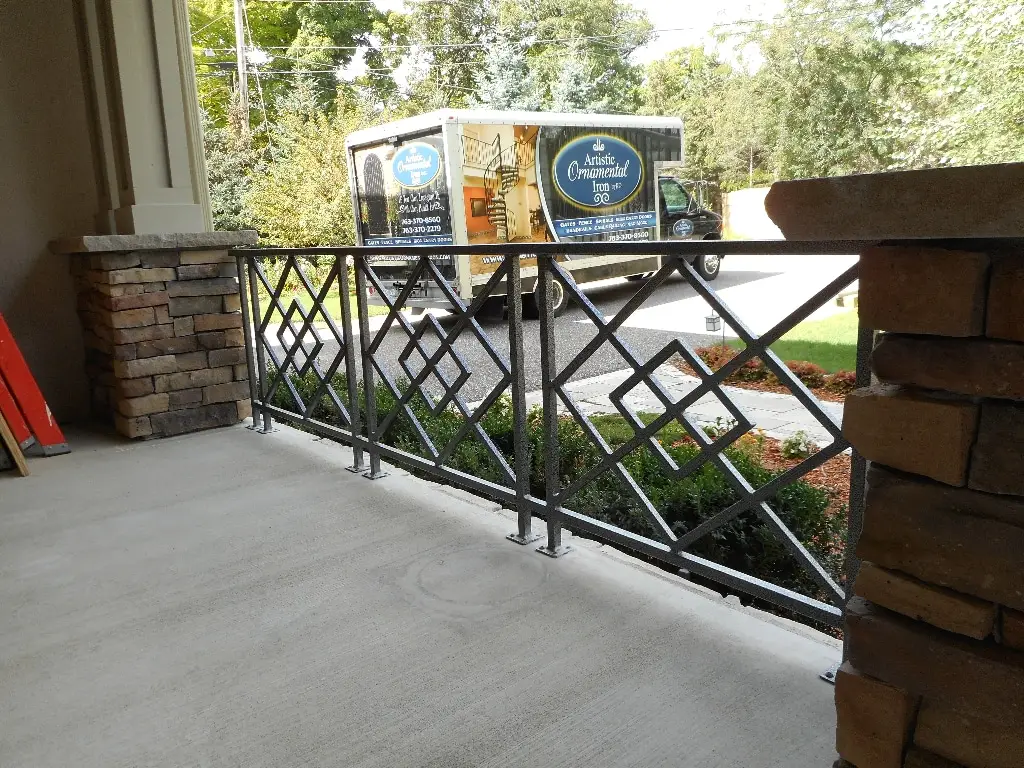
Most fences in the Twin Cities do not fail because the metal was weak. They fail because the footing was shallow. Minnesota soil lifts every winter, and a fence anchored above the frost line goes with it posts tip, panels rack out of square, gates stop latching, and by the third spring the whole line is visibly crooked. Artistic Ornamental Iron builds wrought iron fencing that is engineered from the ground up for this climate: solid steel pickets fabricated in our own shop, concrete footings carried to forty-two inches and deeper, welded and fine-ground connections, a zinc-rich galvanized undercoat, and a baked-on architectural powder coat that shrugs off five months of airborne road salt.
We are a third-generation family fabrication shop with more than twenty years of structural metalwork behind us, and we install residential and commercial fencing throughout Minneapolis, St. Paul, and the surrounding metro.
Frost heave is a hydraulic event. Moisture held in the soil freezes, expands roughly nine percent by volume, and exerts enough upward force to lift a concrete footing and everything attached to it. When the ground thaws, the footing does not return to its original position it settles slightly off, and the displacement accumulates every winter. The only reliable defense is to terminate the footing below the depth at which the soil freezes.
We set fence posts in poured concrete footings carried to a code-compliant depth of forty-two inches or greater, placing the bearing surface beneath the regional frost line so the anchorage sits in soil that does not cycle. Footings are belled or sized according to post dimension and load. This is the single most expensive decision in a fence installation and the single most common place where low bids create their savings. A contractor quoting a twenty-four-inch footing in Hennepin County is not offering you a better price; they are deferring the failure until after the warranty expires.
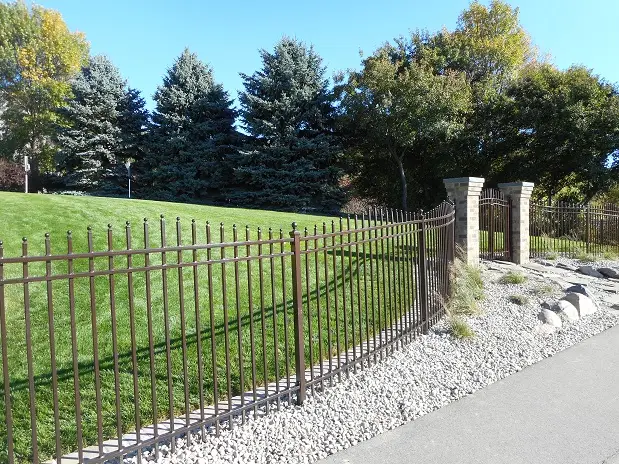
Line posts, terminal posts, corner posts, and gate posts carry very different loads and are sized accordingly. A gate post supports a swinging leaf that applies continuous eccentric and cyclic load every time the gate opens it is always upsized in both section and footing volume relative to the line posts beside it, and on wide driveway leaves it may be braced or set in an oversized footing with additional reinforcement. Sloped ground is handled by racking the panel to follow grade or by stepping the fence in level sections, chosen based on the property line, the architecture, and whether the fence must maintain a consistent bottom clearance for pool code or pet containment.
The fencing sold at big-box retailers and by national panel dealers is typically hollow extruded aluminum or thin-wall tubular steel assembled with mechanical fasteners and rivets. It arrives pre-made in fixed widths, it dents under impact, and its connections loosen with thermal cycling. Our fences are fabricated from solid steel. Pickets are solid stock, rails are structural, and every intersection is fully welded through and then fine-ground so the assembly reads as a single continuous piece of metal rather than a kit of parts. Solid steel is meaningfully heavier and more labor-intensive to work, and that is precisely why it resists impact, prying, and long-term deflection in a way panel systems cannot.
Because we fabricate rather than assemble, the fence is built to your property. Panel widths follow your post layout, heights follow your code requirement and sightline preference, and curves, radii, and non-standard angles are drawn and forged rather than approximated with a stock panel and a filler strip.
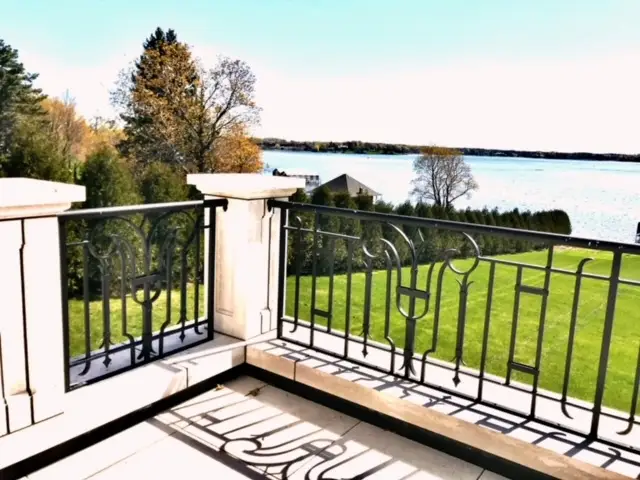
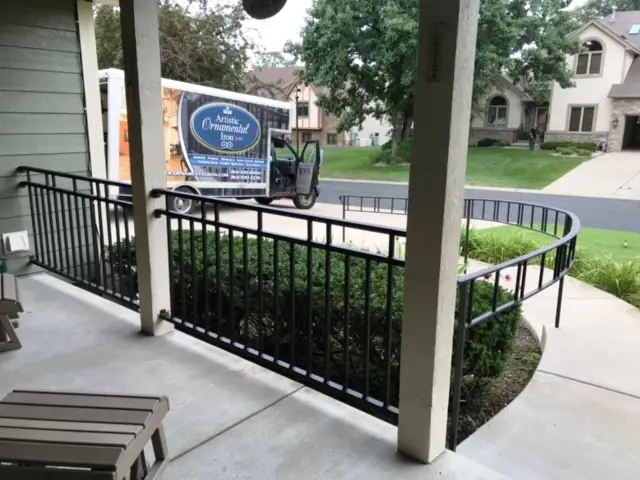
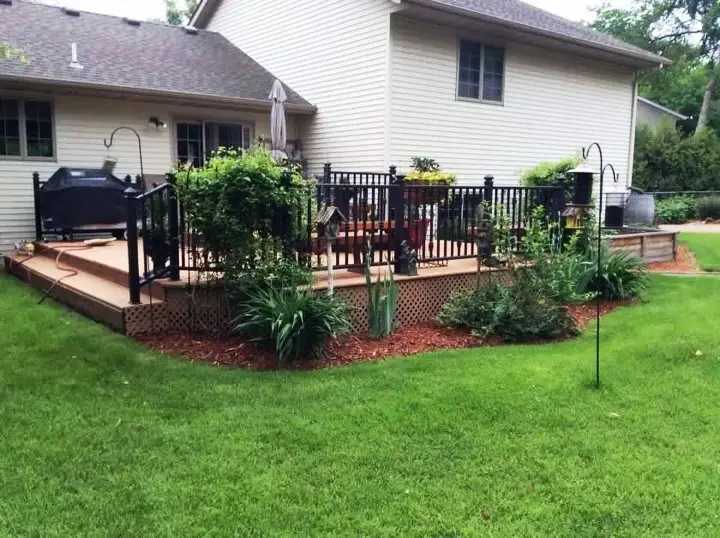
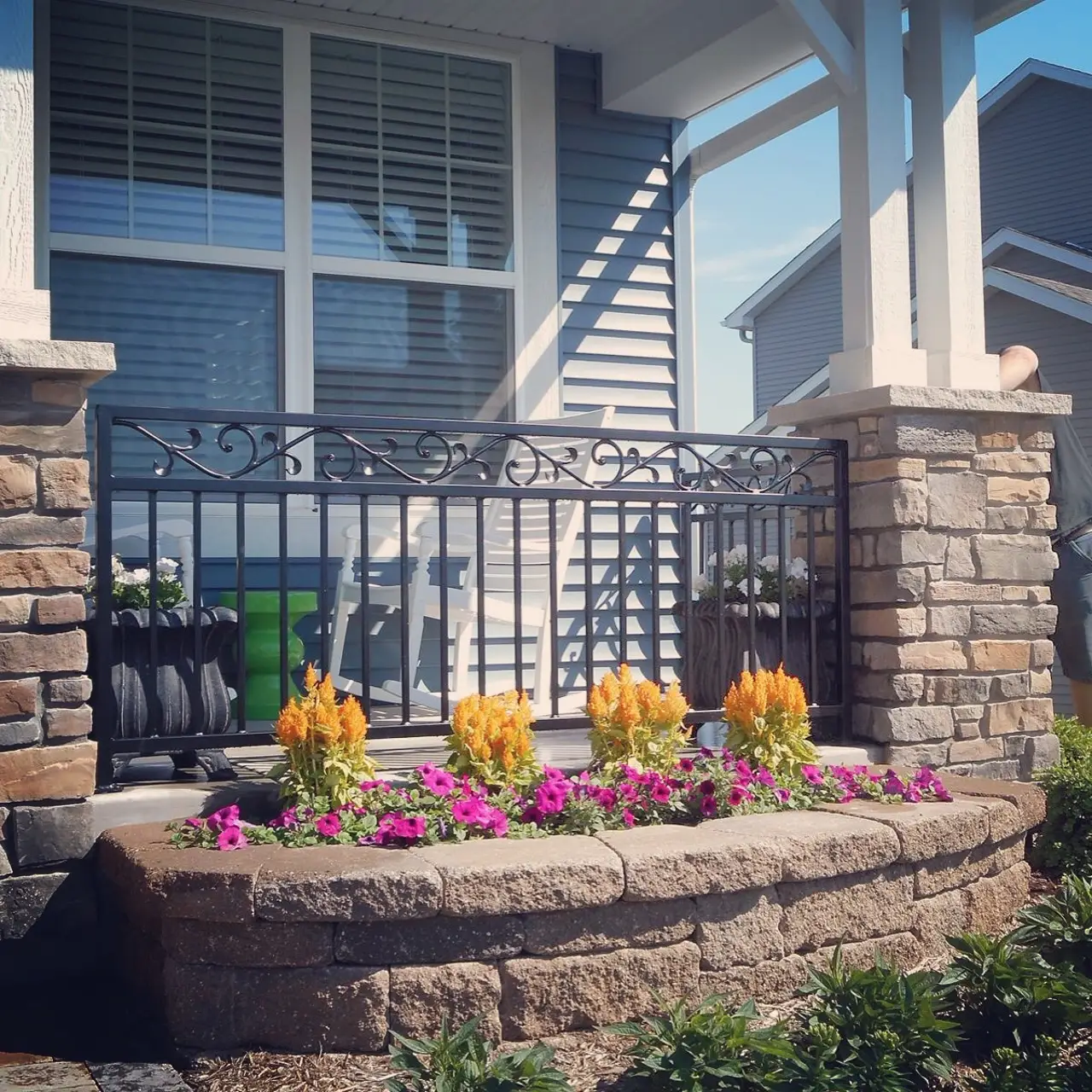
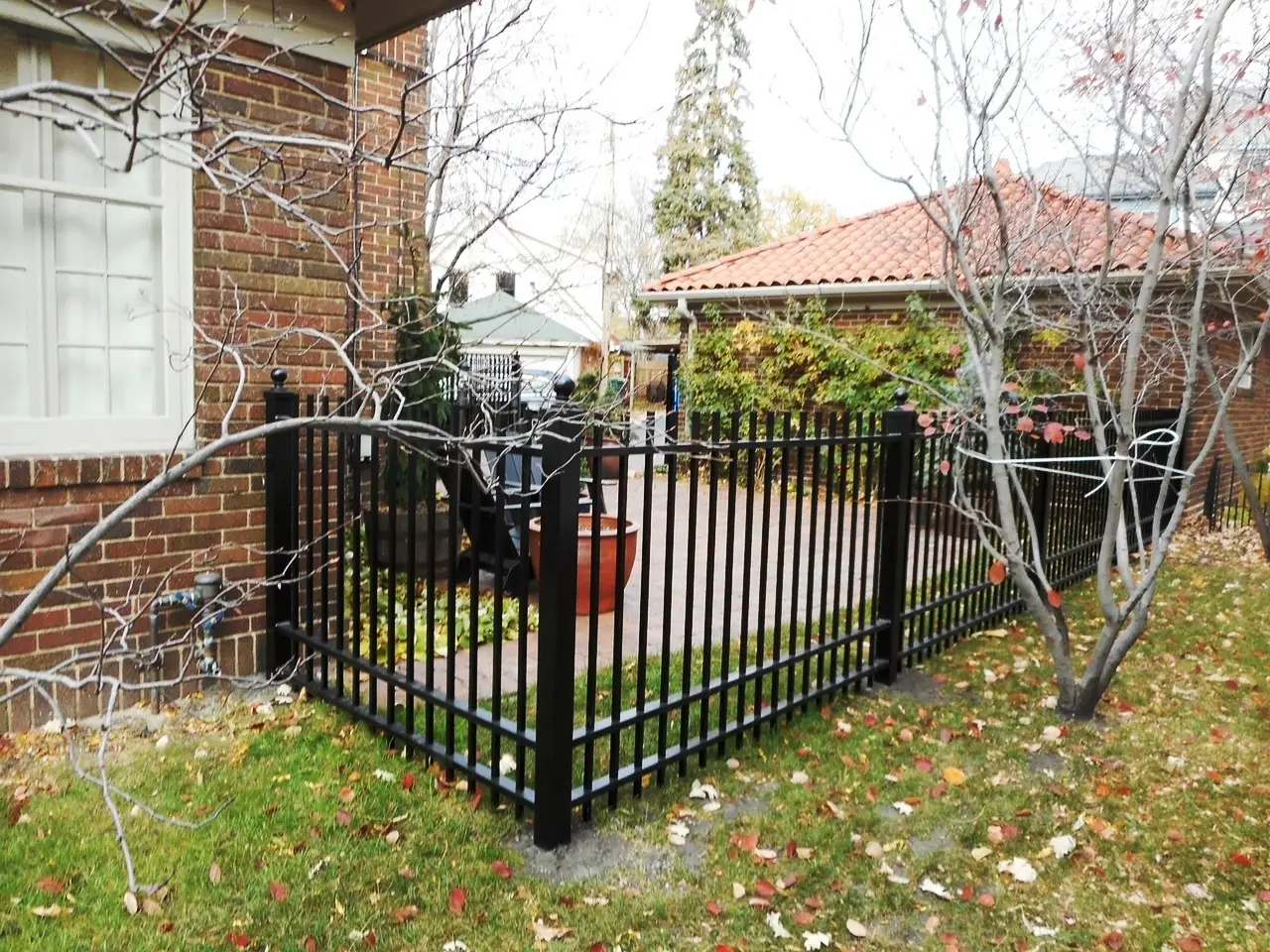
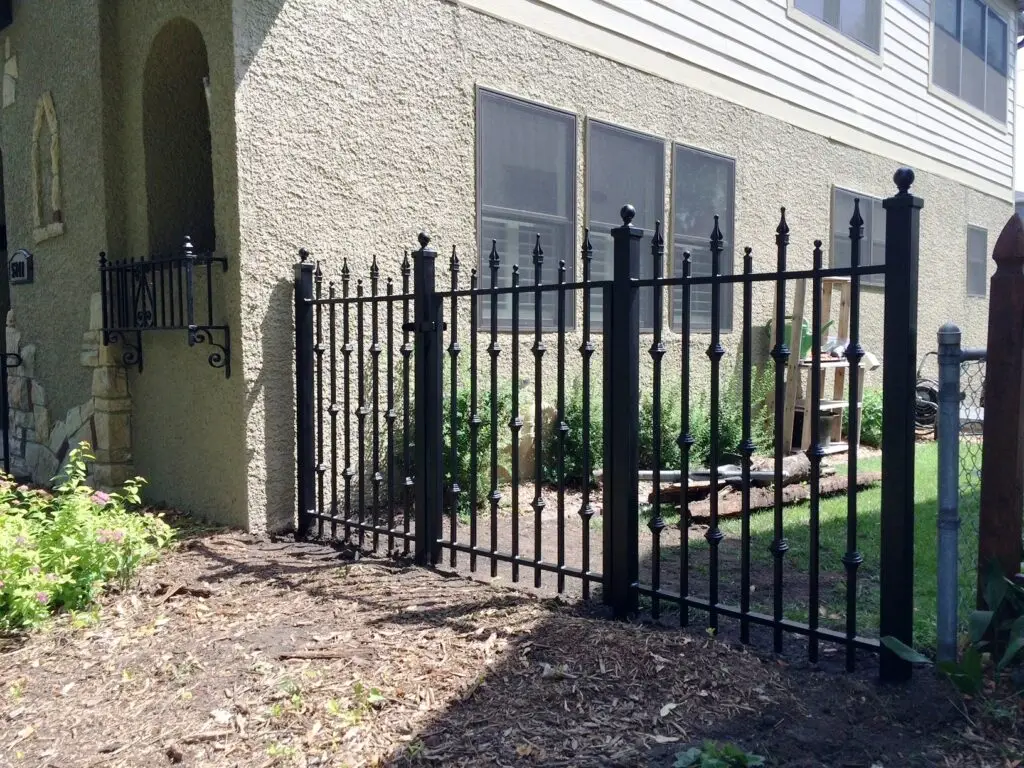
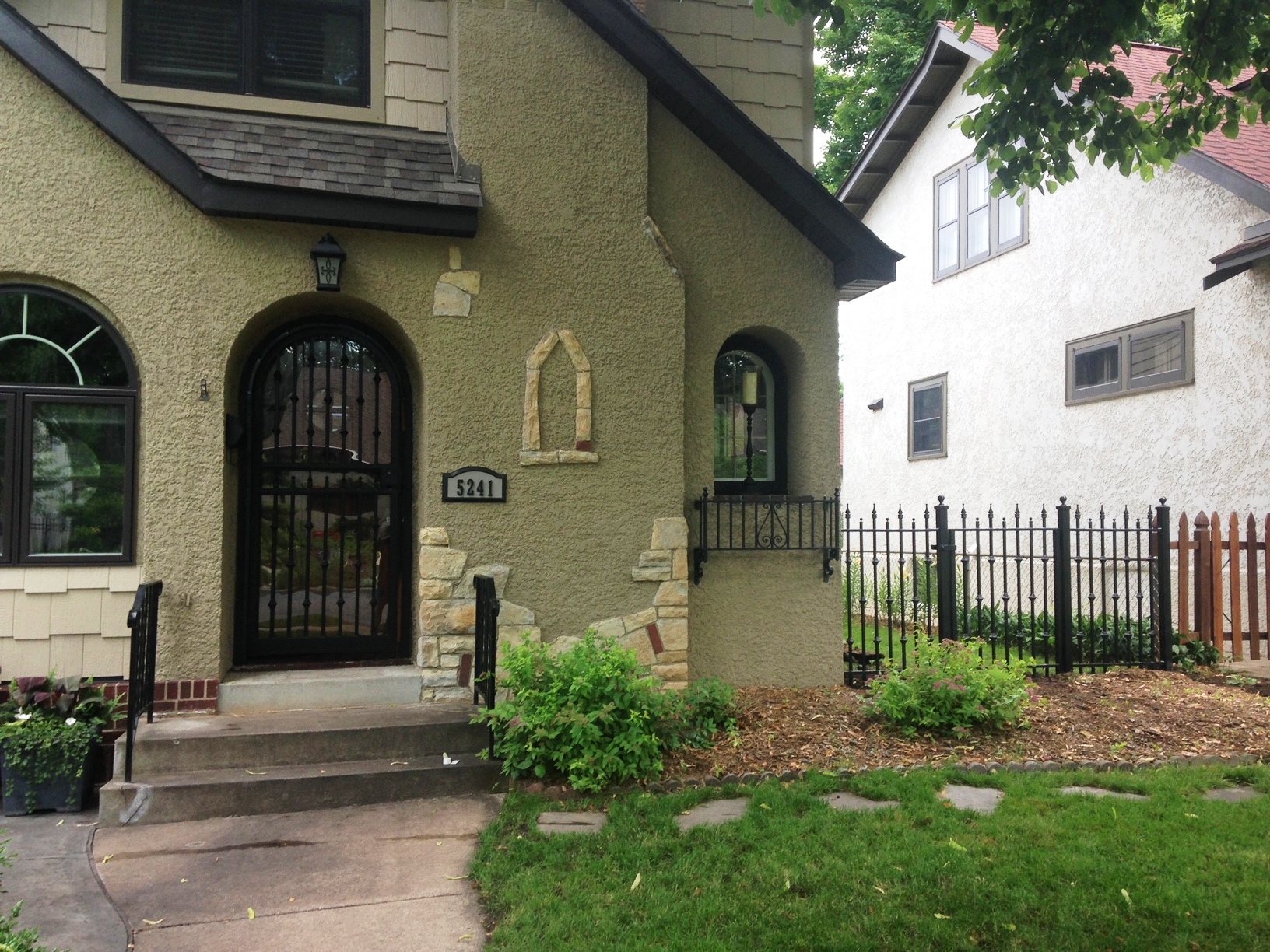
Residential iron fencing does three jobs at once: it defines the property, it contains children and pets, and it establishes the architectural character of the front elevation. In neighborhoods like Kenwood, Lowry Hill, and Summit Avenue, where the housing stock is genuinely historic, the fence has to speak the same visual language as the house spear or fleur-de-lis picket tops, forged collars, scrolled panels, and stone or brick pier integration. In newer construction across Maple Grove, Plymouth, and Eden Prairie, the language is usually cleaner: flat-top pickets, minimal ornament, and a satin black finish coordinated to the window frames.
Pool enclosures are governed by barrier requirements that are enforced strictly and inspected on completion. The controlling variables are minimum barrier height, maximum bottom clearance above grade, the four-inch limit on openings so a small child cannot pass through, the absence of climbable horizontal members on the exterior face, and self-closing, self-latching gate hardware with the release positioned above the reach of a child. We fabricate pool barriers to those requirements as a specification, not as an afterthought, and we confirm the applicable local ordinance before drawings are approved.
Commercial perimeter fencing is a security and liability asset. We fabricate heavy-section iron fencing for industrial sites, municipal properties, medical campuses, self-storage and equipment yards, multi-family developments, and high-value private estates across Hennepin, Ramsey, and Wright Counties. Commercial specifications typically include increased picket and rail section, anti-climb picket top treatments, welded rather than fastened connections at every joint, deeper and larger-volume footings for wind and impact loading, and coordination with lighting, camera, and access-control infrastructure so conduit and mounting points are integrated during fabrication rather than retrofitted. Full commercial detail is on our [internal link → Commercial Iron Fencing & Security Gates] page.
Gate configuration is dictated by the site, not by preference. Swing gates need unobstructed arc and reasonably level ground through the swing path. Slide gates suit narrow approaches and steep grades where a swing arc is impossible. Cantilever gates carry the leaf on an overhead track with no ground track to fill with ice and debris, which makes them the most reliable choice for Minnesota winters at commercial widths. We fabricate all three, with frames sized to the span, welded through, and hung on hardware rated well beyond the actual leaf weight.
Automated gates are life-safety equipment. Our automation packages include an operator matched to the leaf weight, duty cycle, and gate type; reversing sensors and safety loops so the gate cannot close on a vehicle or a person; and access control appropriate to the property keypad, card reader, telephone entry, transmitter, or integration with an existing building system. Fire department access hardware and fail-safe or fail-secure behavior in a power outage are specified up front, because both are inspection items and neither is easy to retrofit.
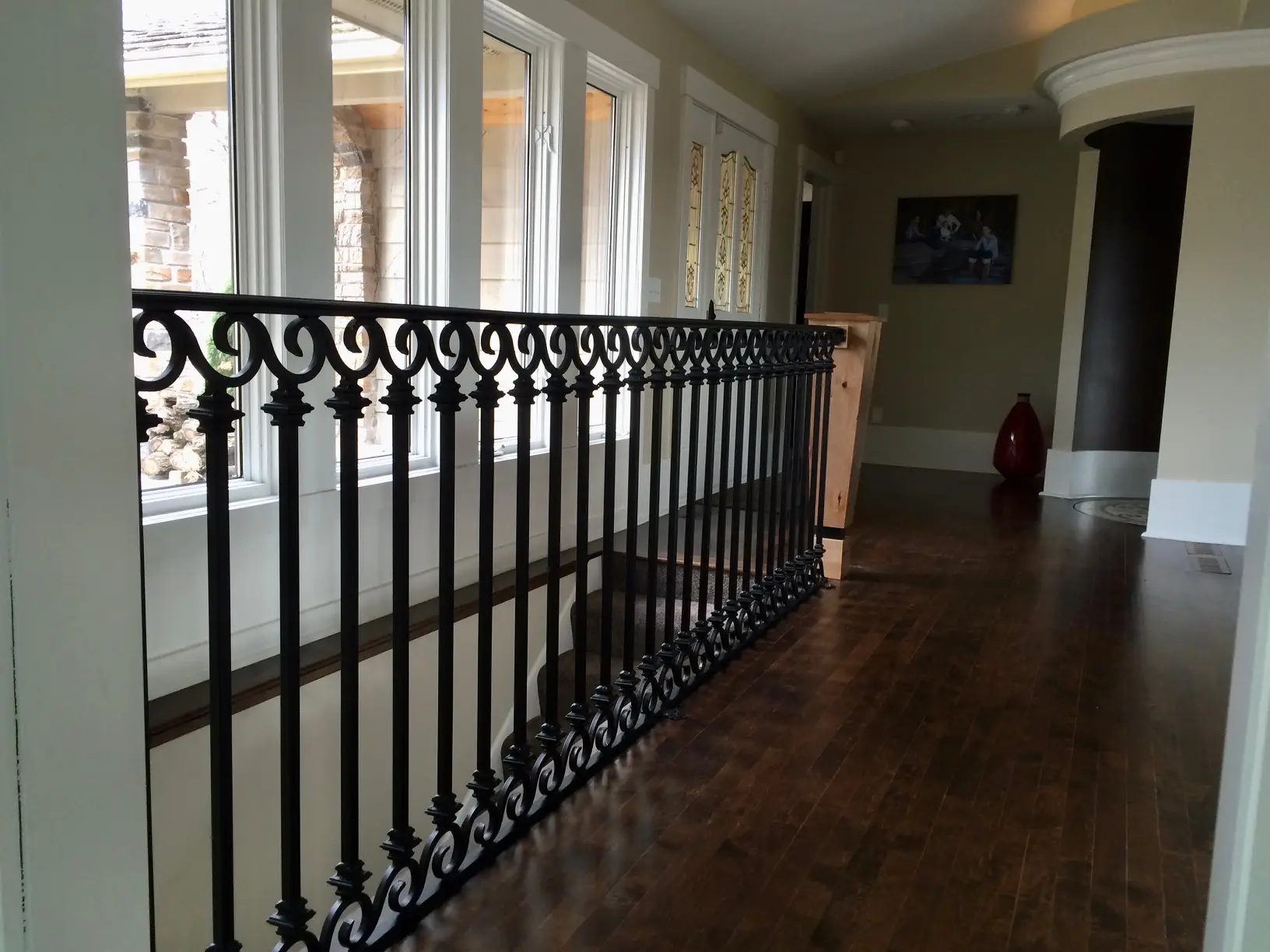
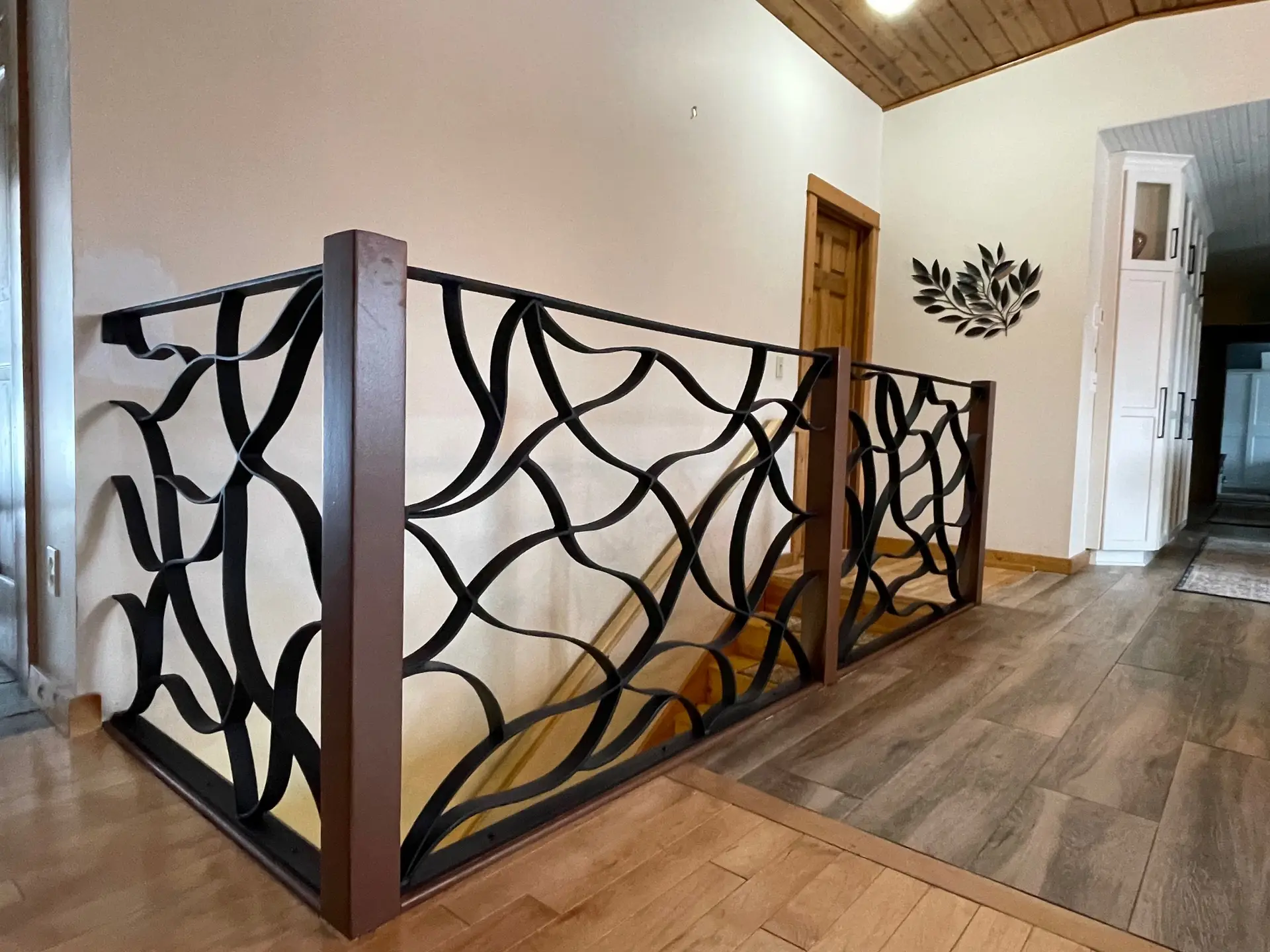
Style is where hand fabrication separates from panel supply. Picket top treatments include flat, blunt, spear, quad-spear, and true forged points. Finials range from classic fleur-de-lis and ball caps to custom-forged profiles matched to existing ironwork on the property. Panel profiles can be straight, arched between posts, convex, concave, or stepped to follow grade. Ornament includes scrolls, hammered twists, forged collars, basket work, and applied rings, and it can be concentrated in a decorative top rail band or distributed across the panel. Because we forge to drawing, an existing gate, railing, or window guard on the property can be matched exactly rather than approximated.
Twin Cities exterior metal faces chloride brine on the roads from November through April, standing snowmelt at the base of every post, and repeated freeze-thaw cycling. Our fences are acid-washed after fabrication to strip mill scale, weld spatter, and oils, then coated with a zinc-rich galvanized compound that protects the steel sacrificially when the surface is eventually chipped by a plow, a shovel, or a snow blower, the surrounding zinc corrodes preferentially and prevents rust from creeping laterally beneath the finish. The visible layer is a baked-on architectural powder coat, oven-cured into a hard cross-linked shell. Painted raw steel has no sacrificial layer at all; one chip becomes a rust stain down the picket and eventually a section loss at the base.
We install throughout Minneapolis, St. Paul, Wayzata, Edina, Orono, Minnetonka, Maple Grove, Plymouth, Eden Prairie, Golden Valley, Bloomington, and Woodbury, with commercial work across Hennepin, Ramsey, and Wright Counties. Fence height limits, setback requirements, corner-lot sightline rules, and pool barrier ordinances vary by municipality and we confirm the governing requirement before drawings are finalized. Where a permit or survey is required, we identify it during the quote rather than after mobilization.
Send us a property sketch, a site photo, or approximate linear footage and gate openings, and we will scope the fence, the footings, the gates, and the hardware as one package with a realistic schedule.
For more information or to request a free estimate, visit their website at artisticornamentaliron.com or give them a call at (763) 370-2279.
As the owner of Artistic Ornamental Iron, I would like to kindly request your support in leaving a review on our Facebook page or Google. We take immense pride in our craftsmanship and personalized service, creating exquisite wrought iron products such as gates, railings, fence, and spiral staircases. Your feedback can help showcase the exceptional work we do and provide valuable insights for others who may be considering our services.
Whether it’s highlighting our attention to detail, professionalism, or overall satisfaction with our products, your review will contribute to our online presence and assist potential customers in making informed decisions. So, if you have had a positive experience with Artistic Ornamental Iron, we would greatly appreciate it if you could take a moment to leave a review on Facebook or Google. Thank you for your continued support!
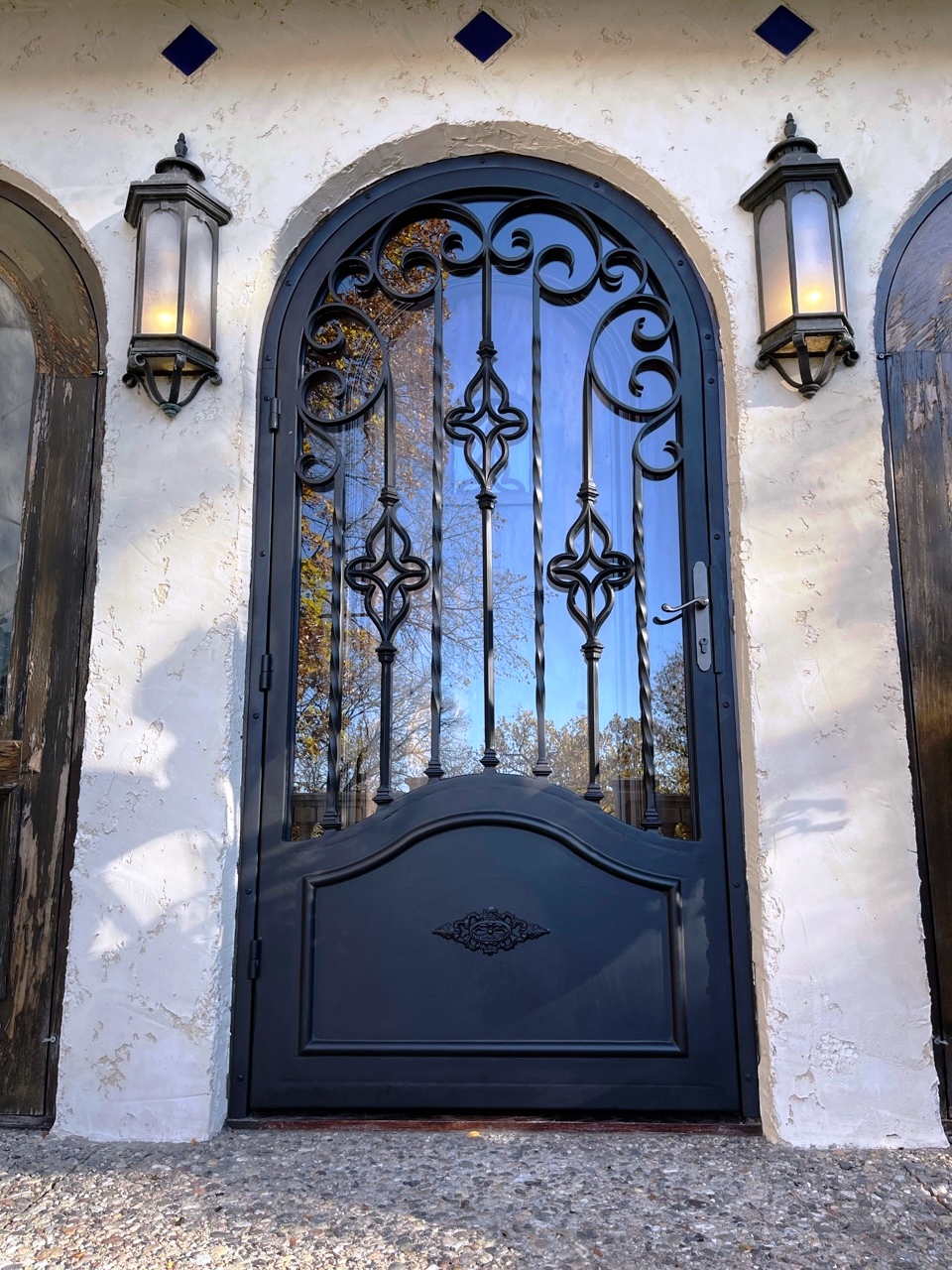
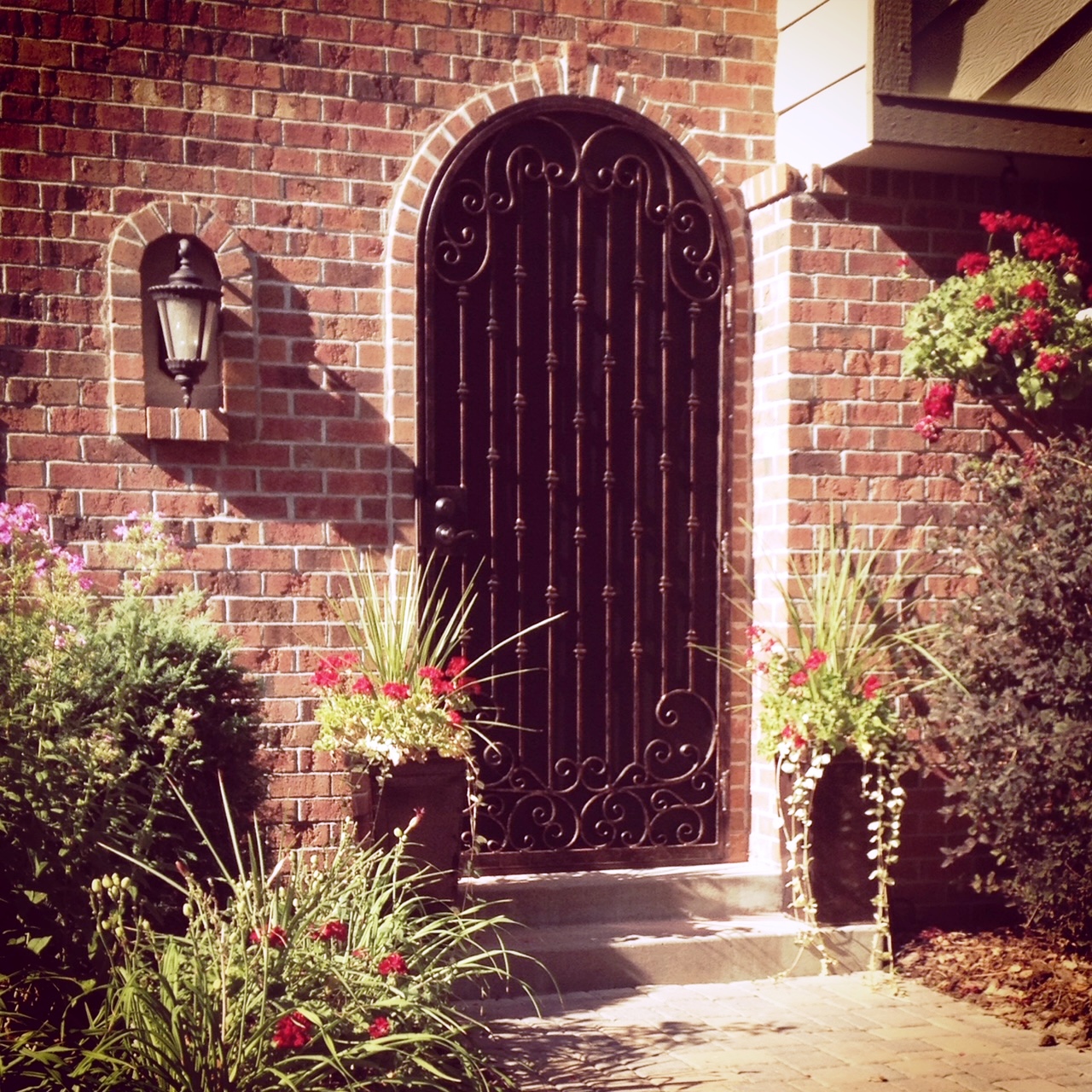
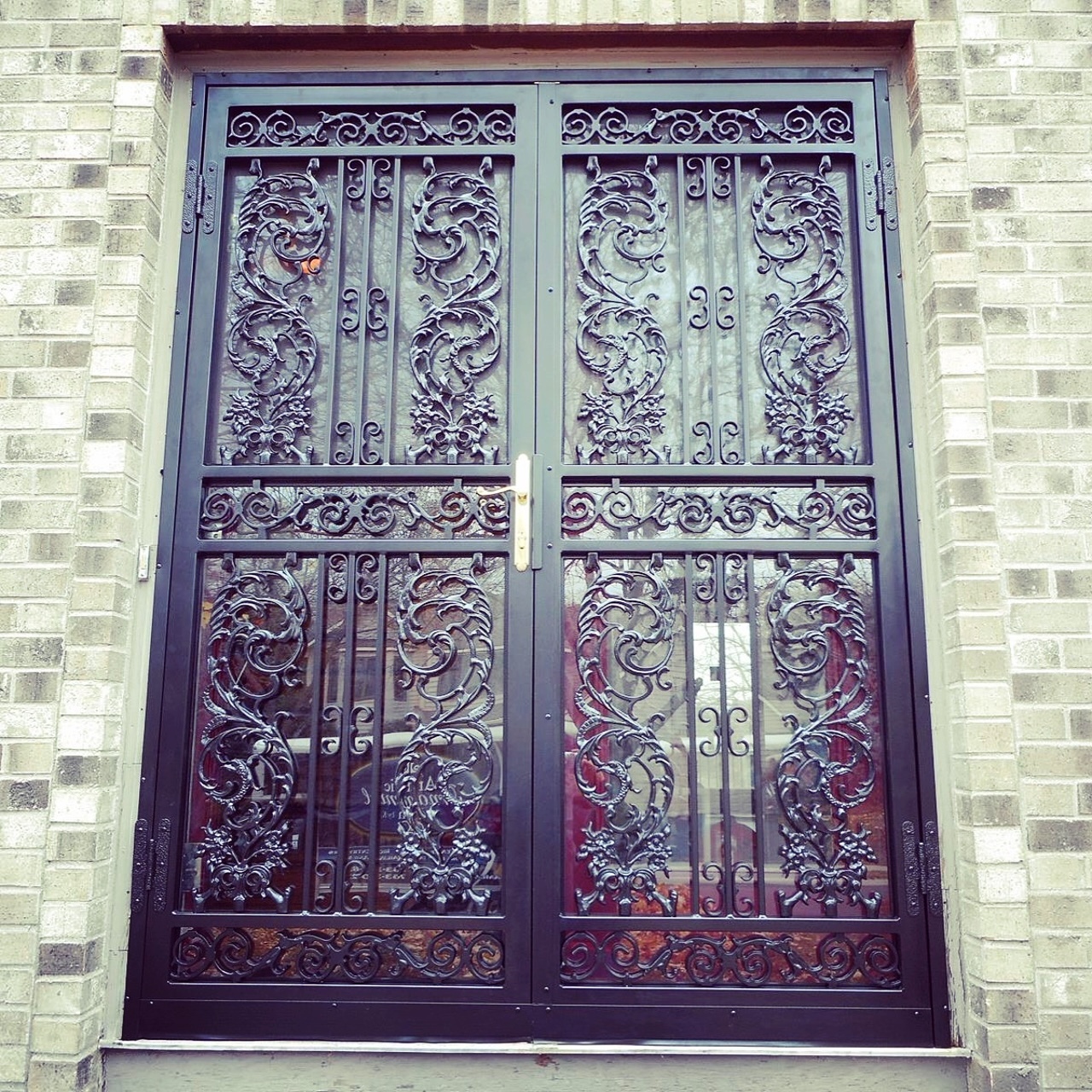
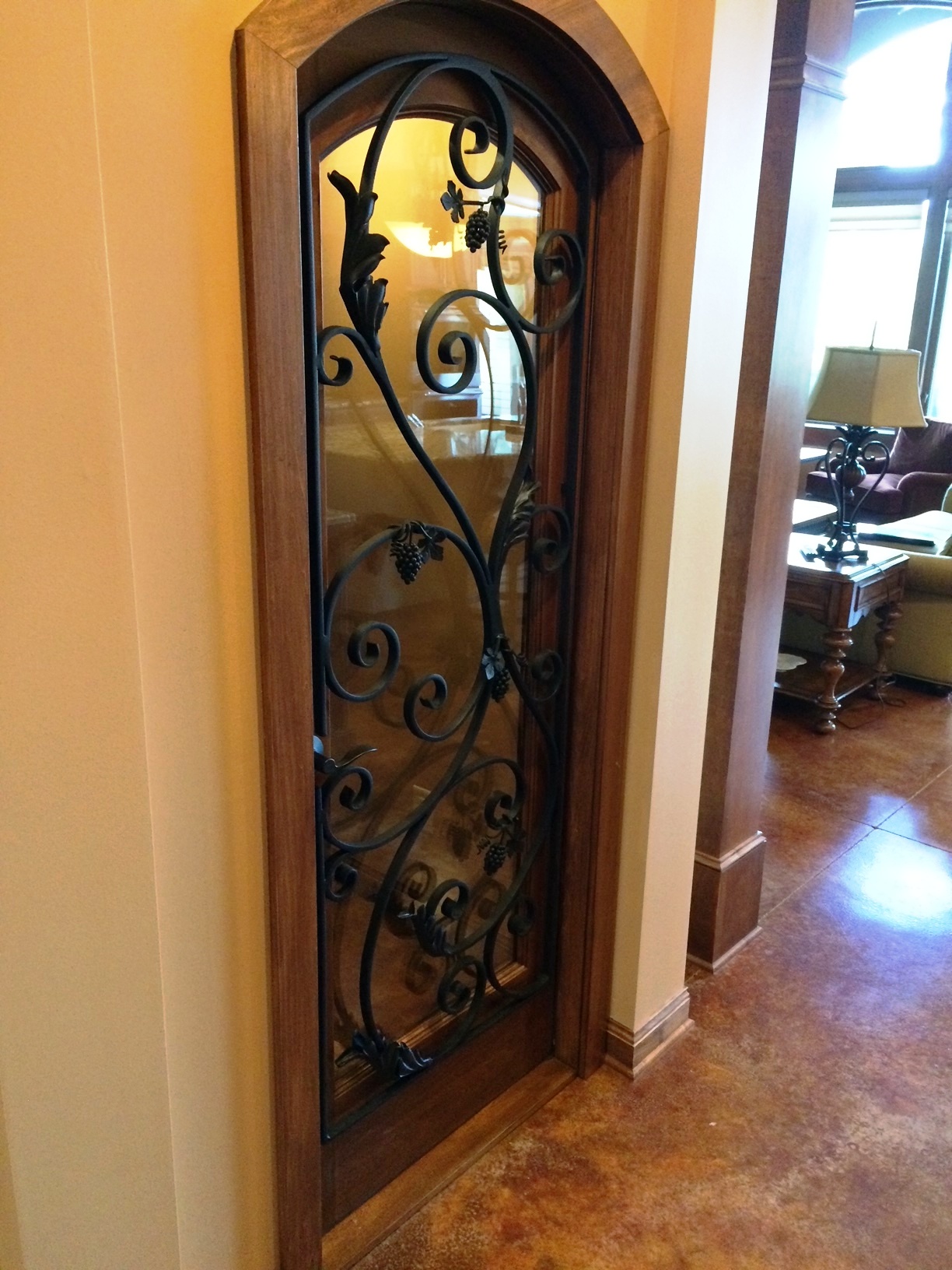
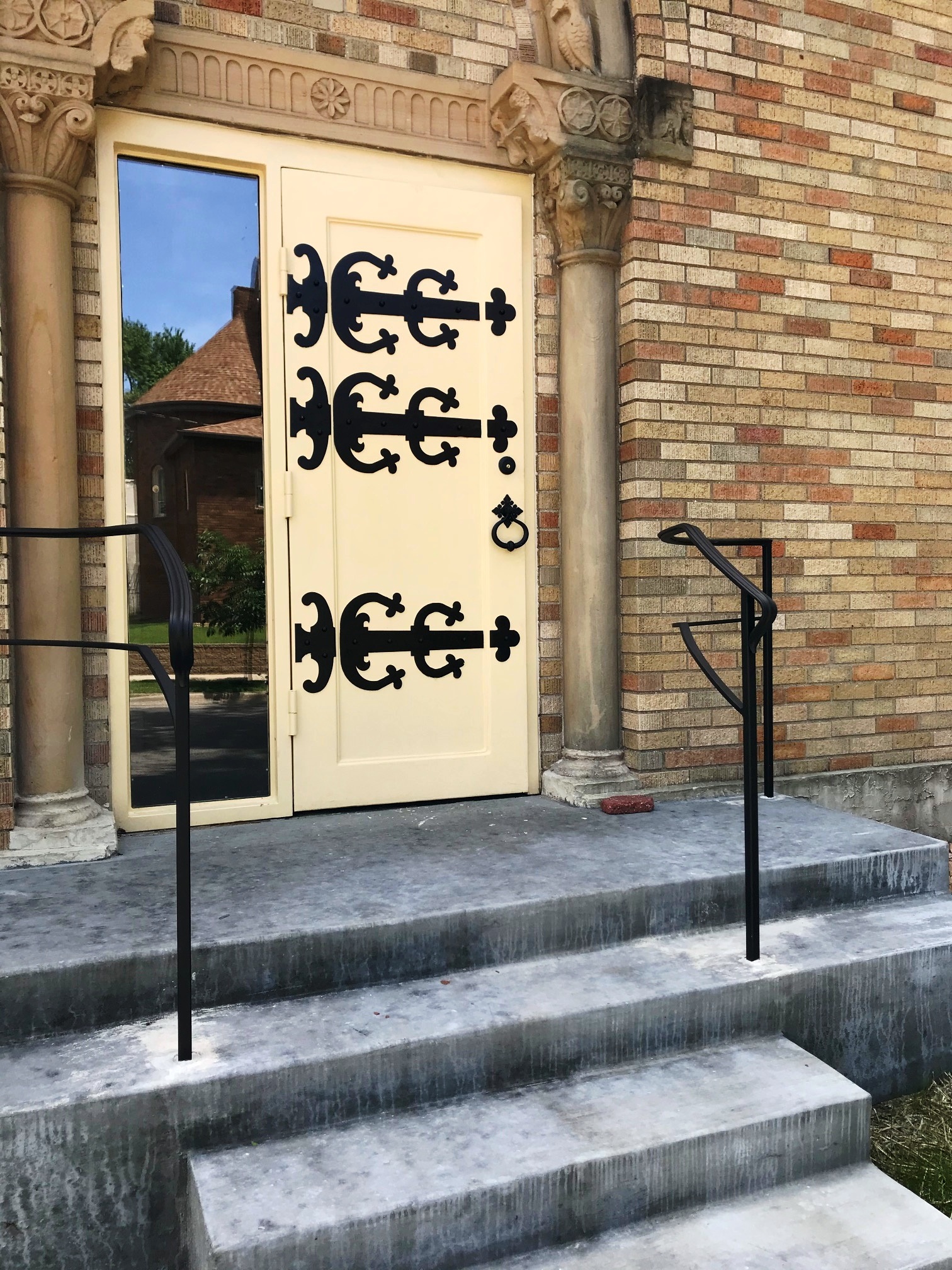
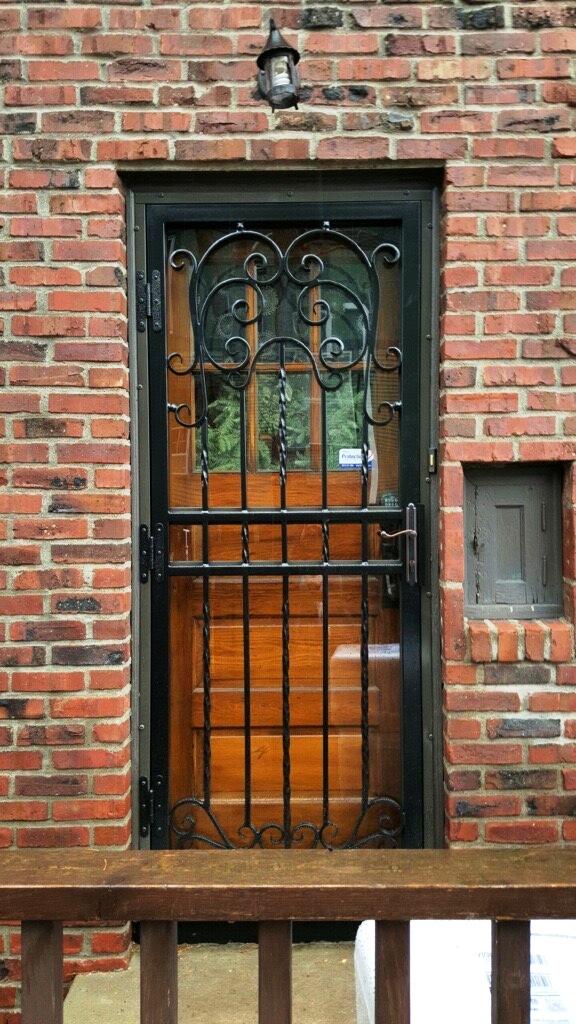
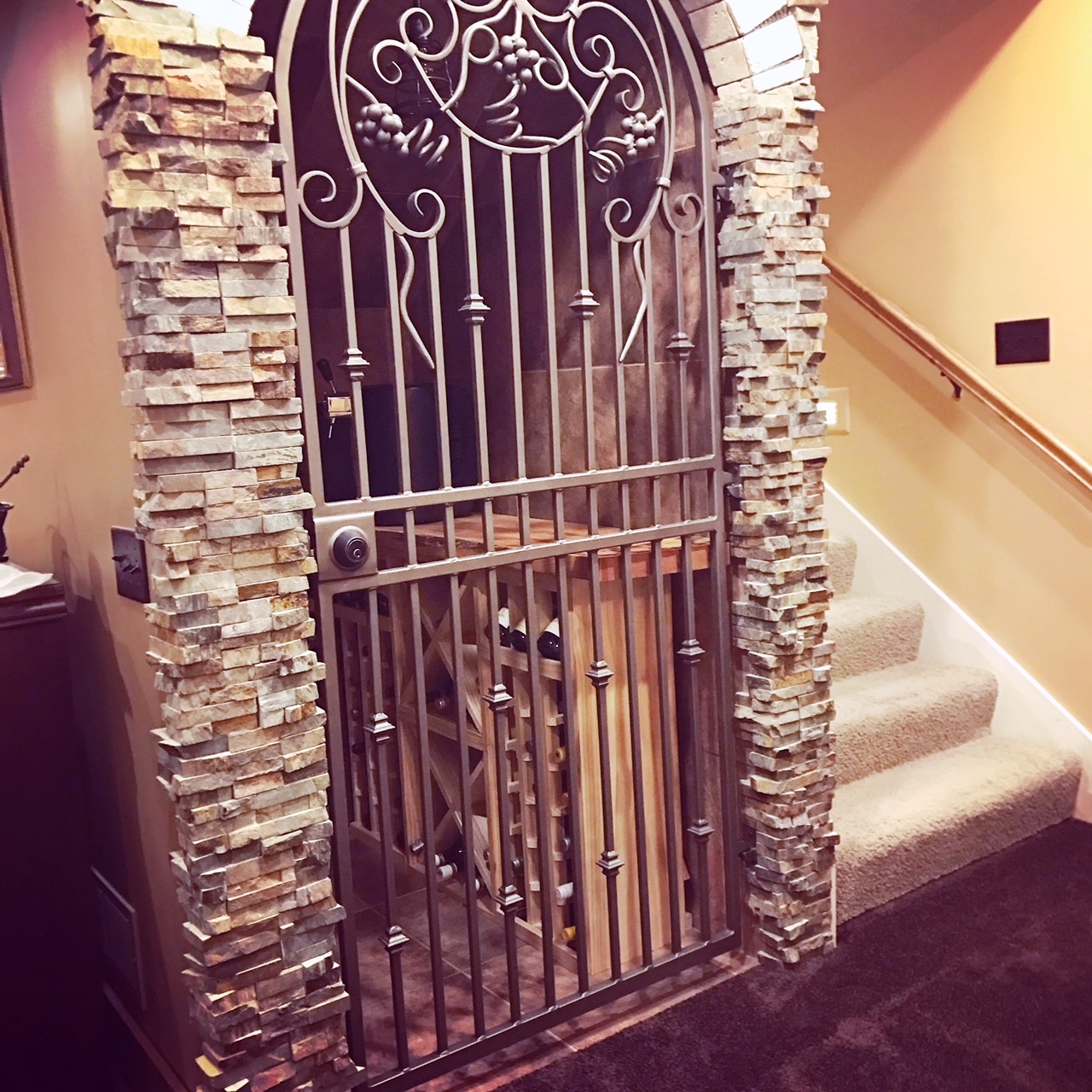
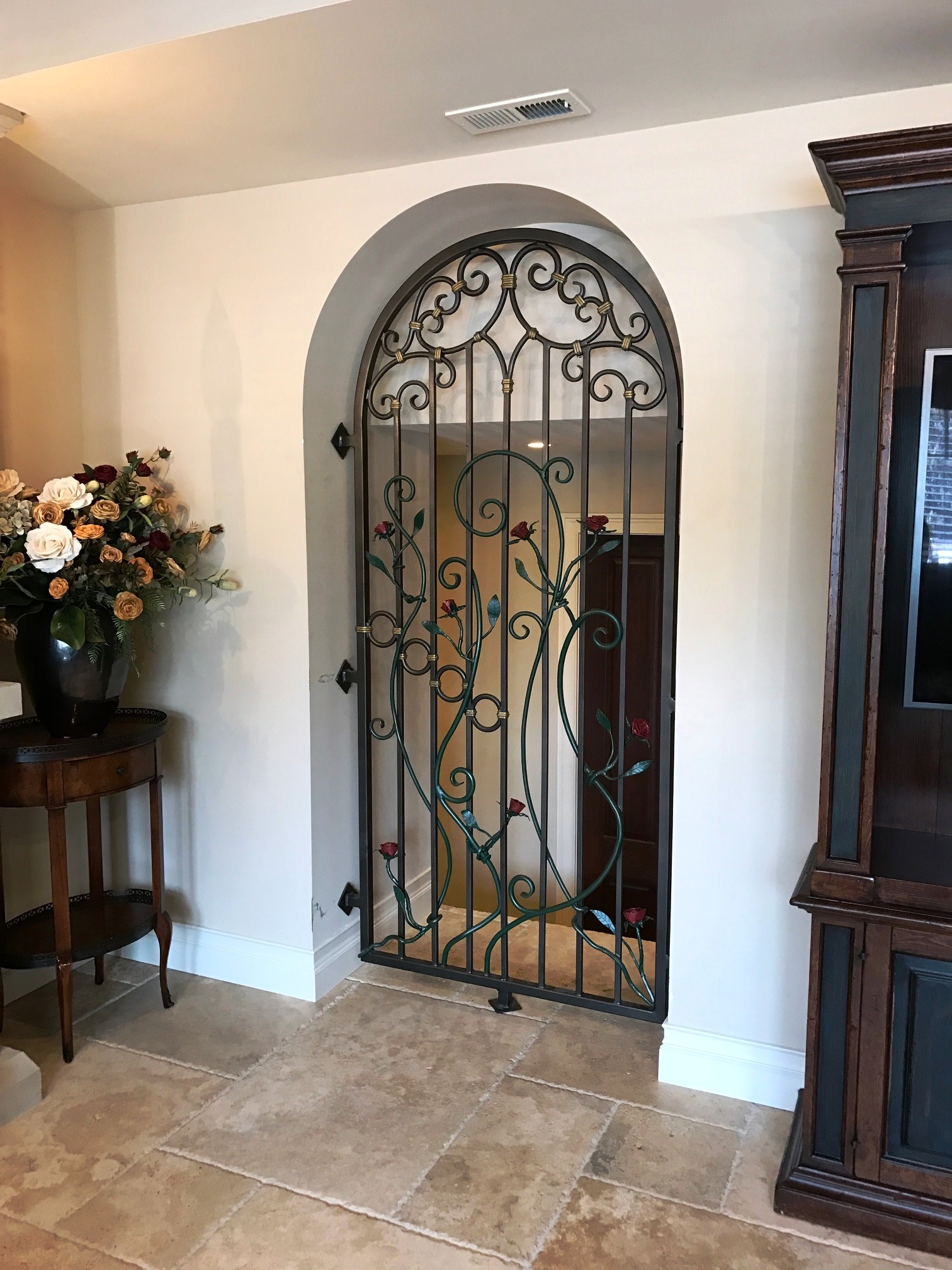
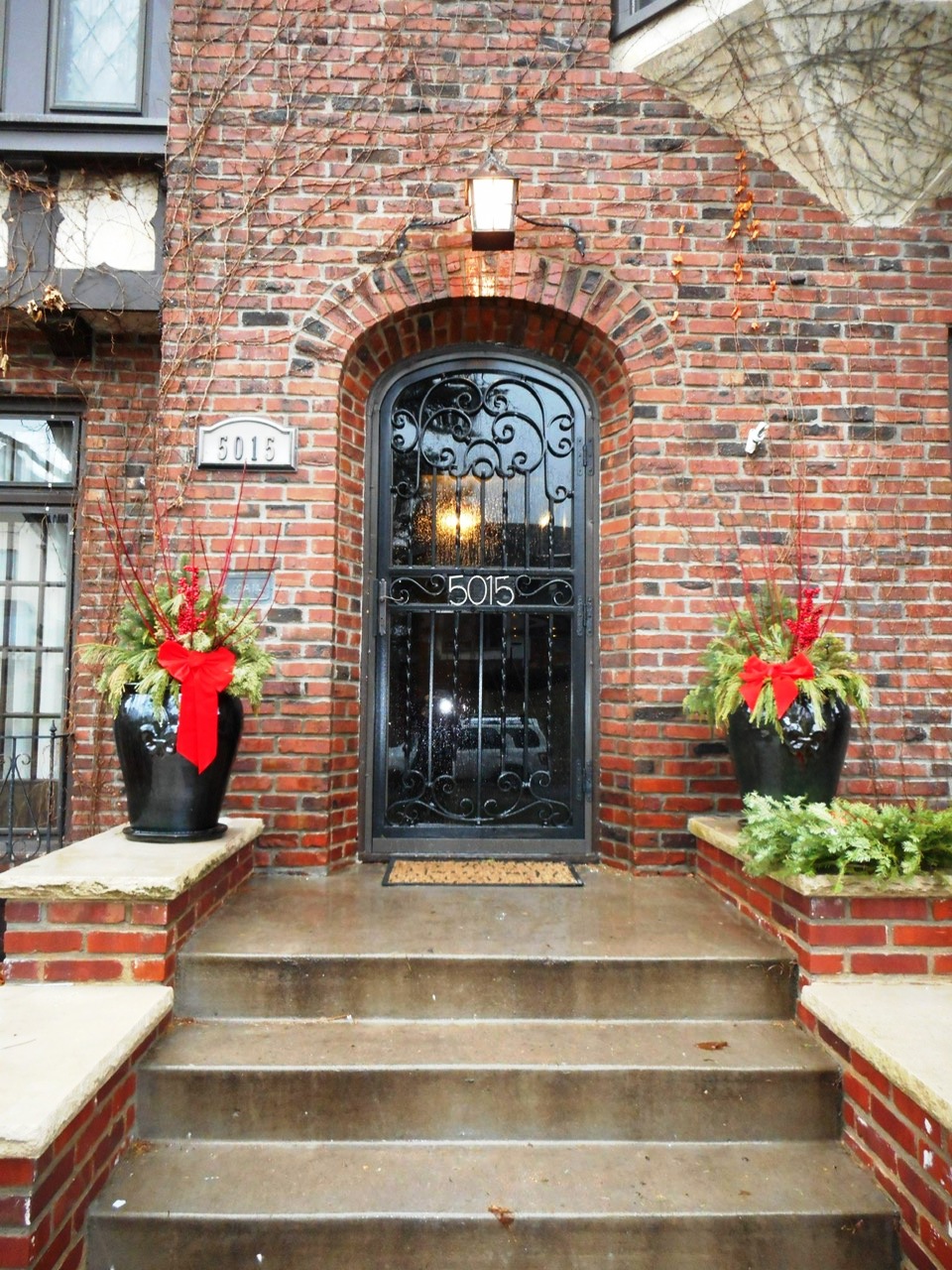
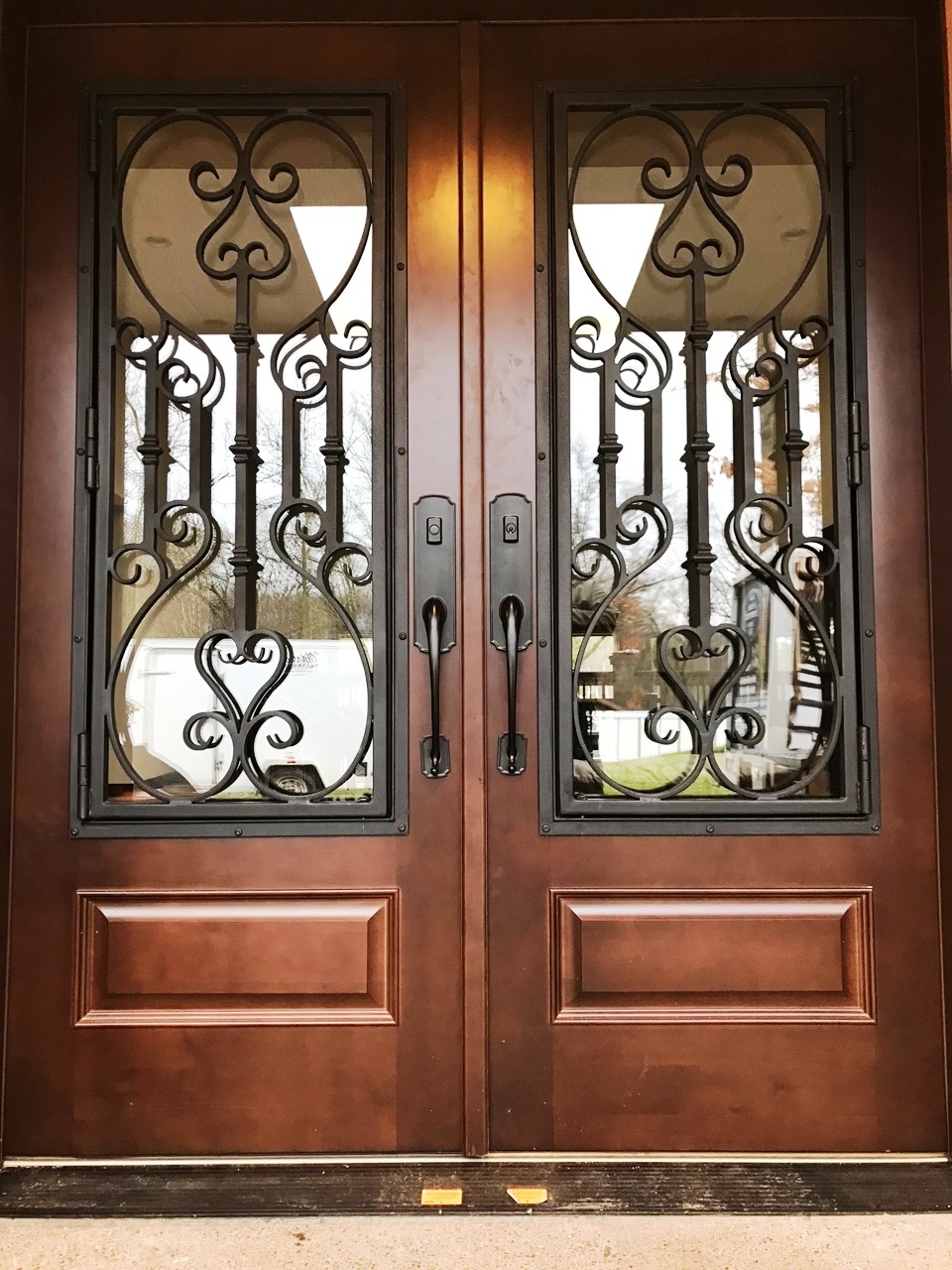
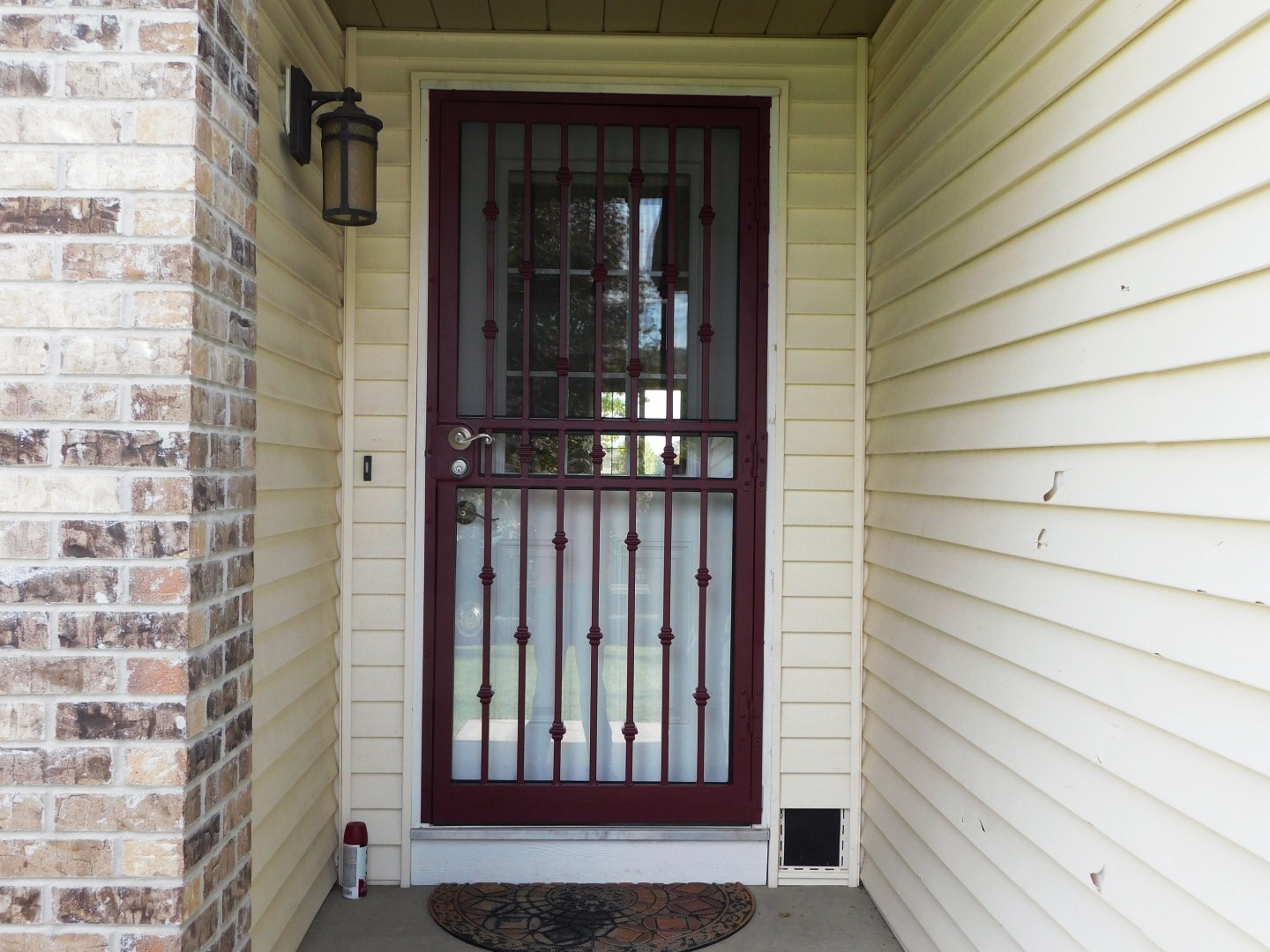
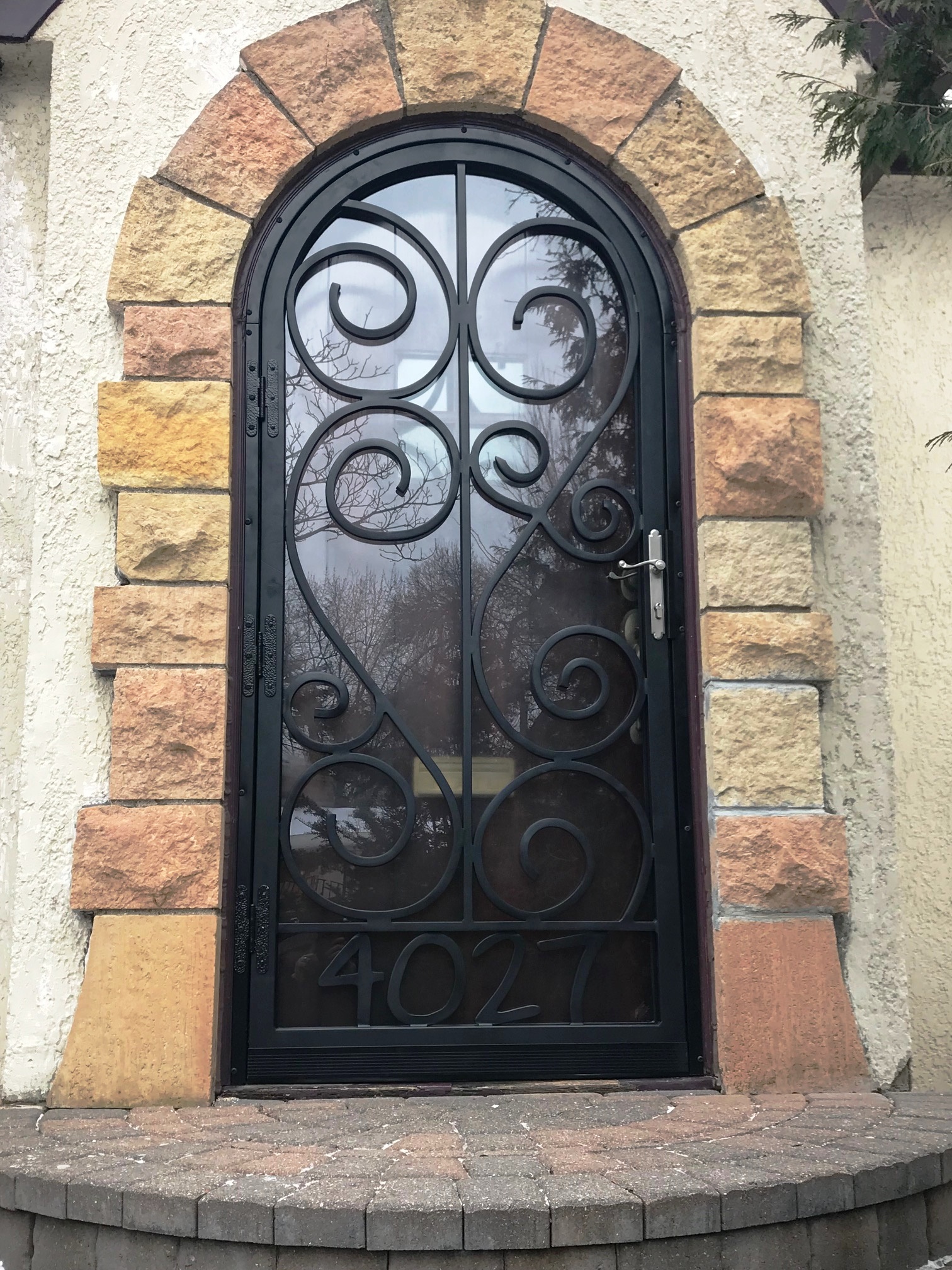

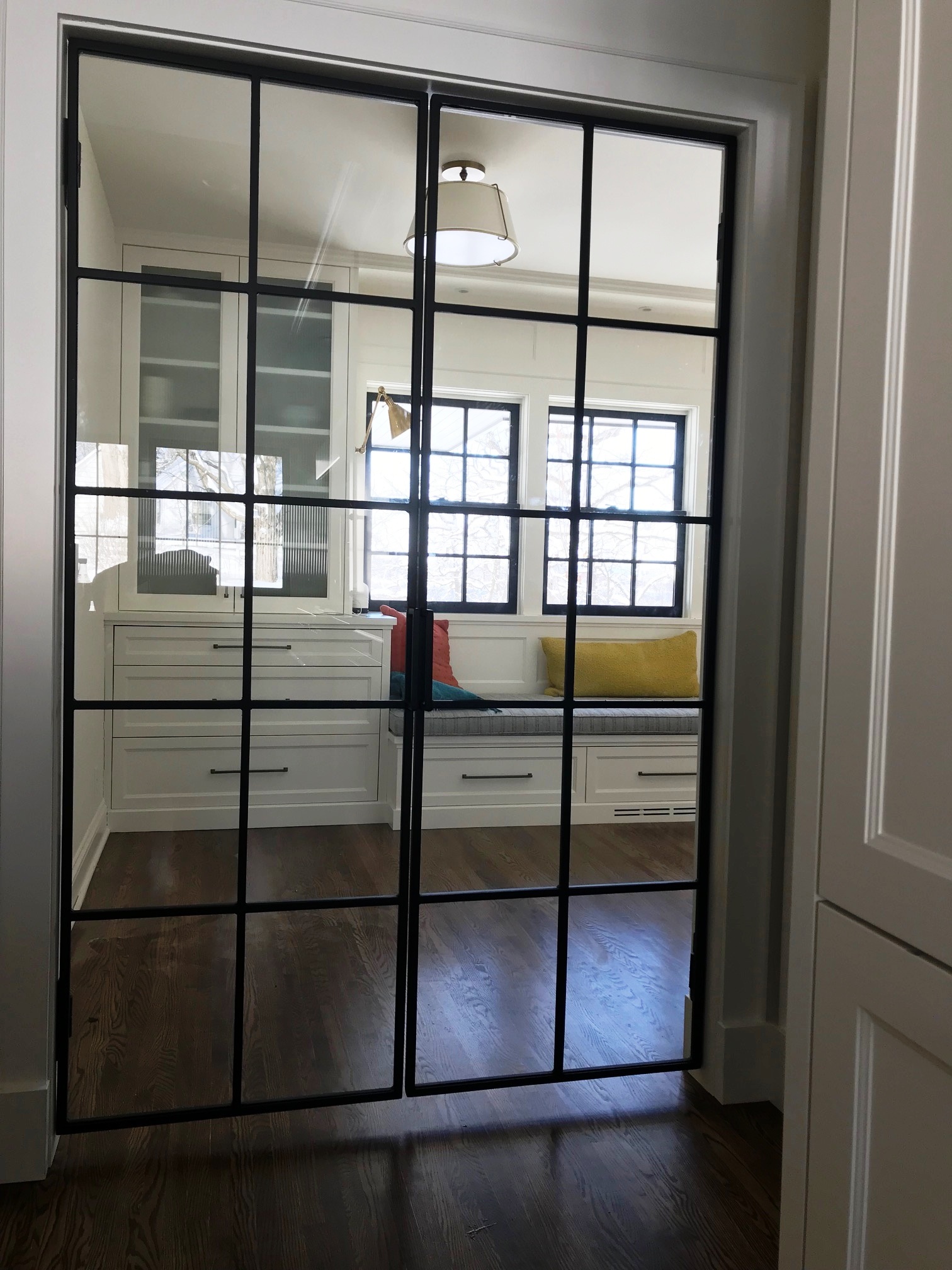
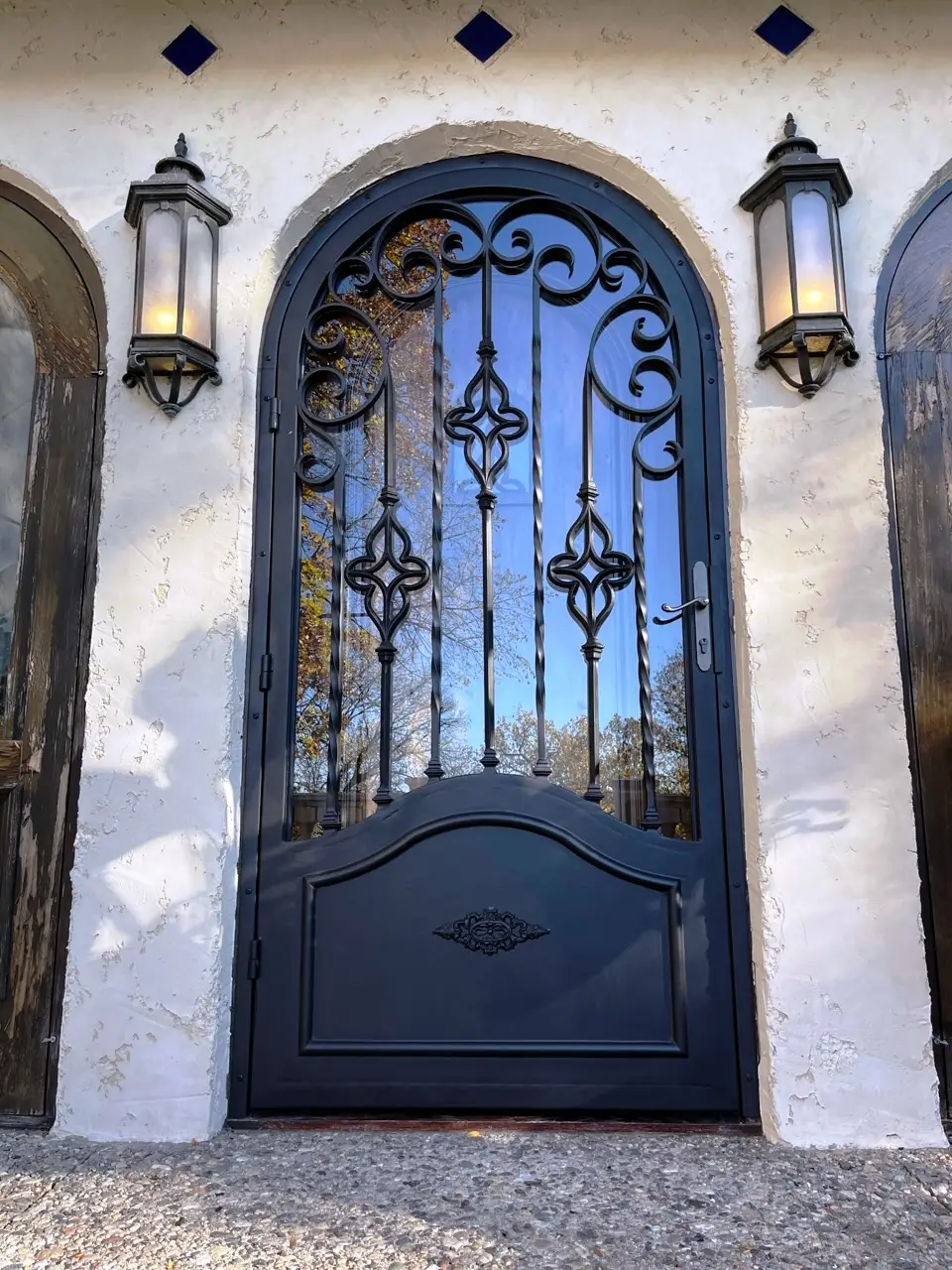
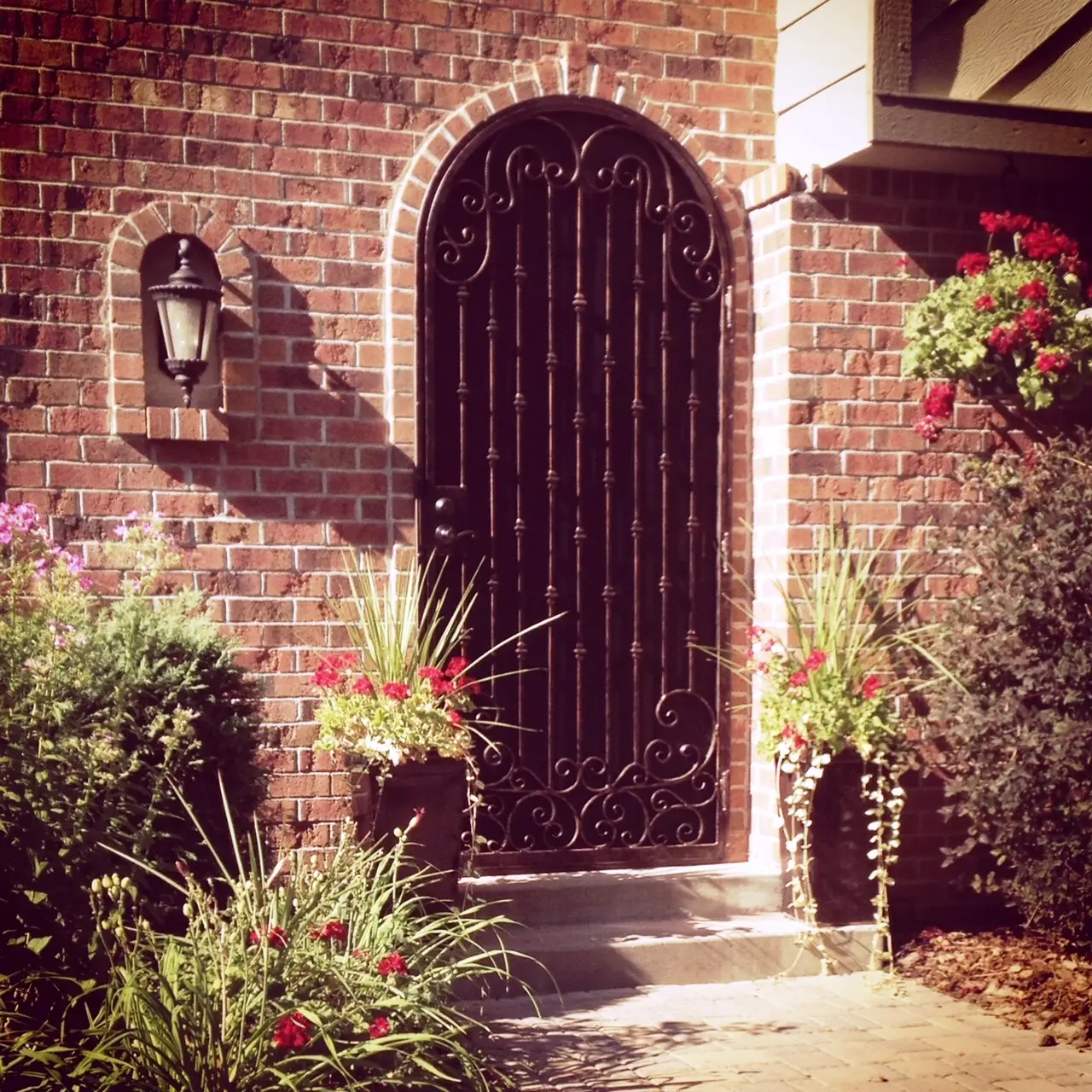
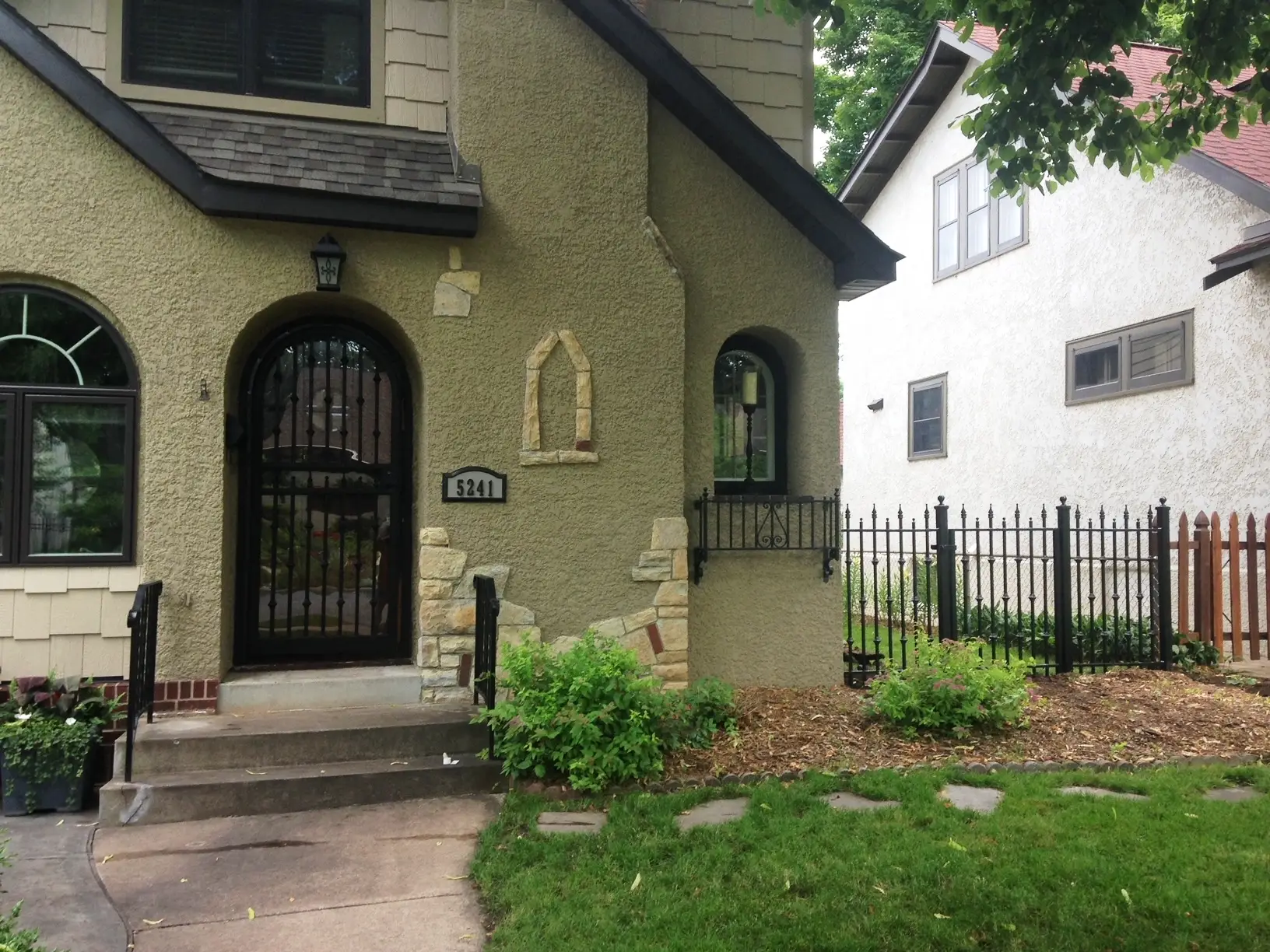
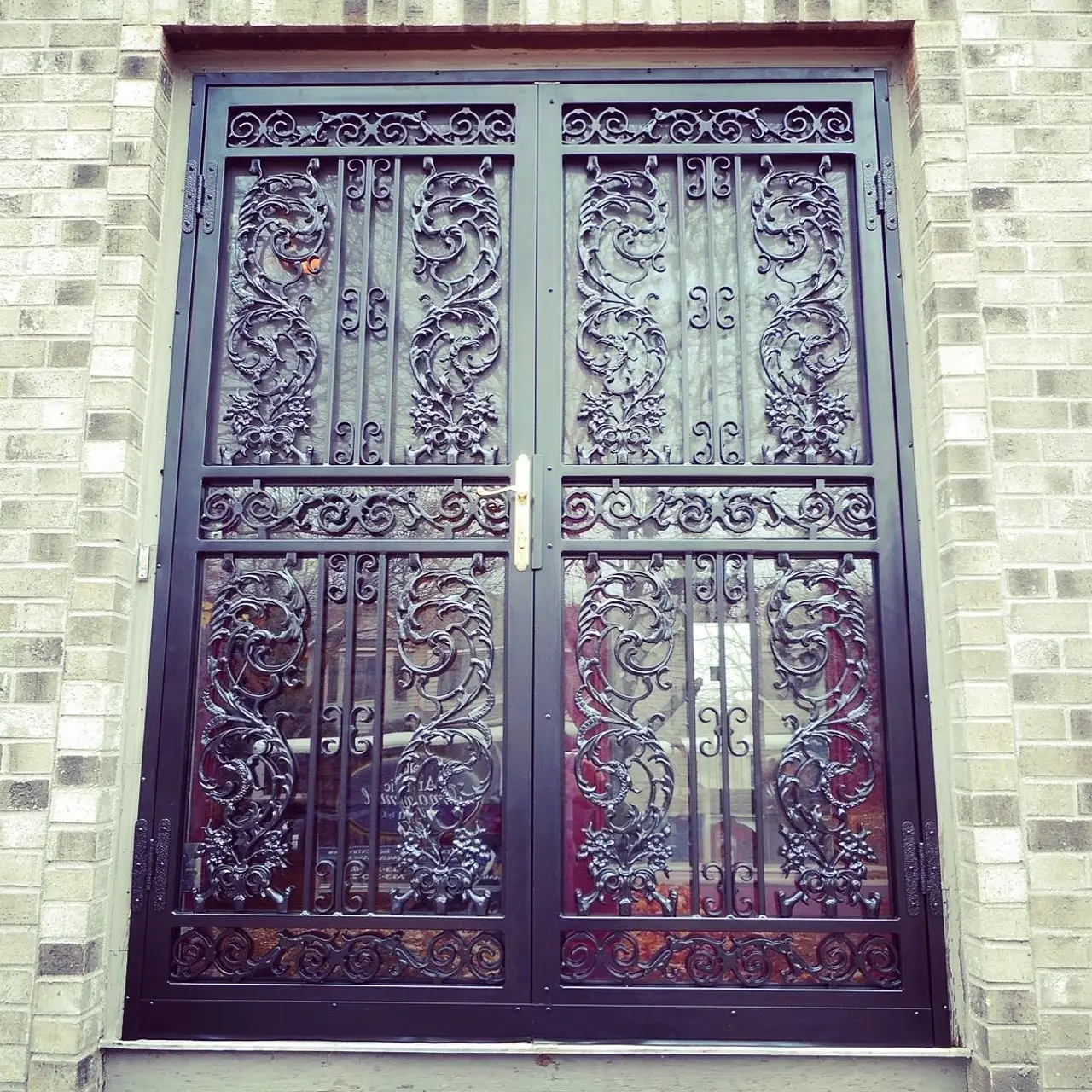
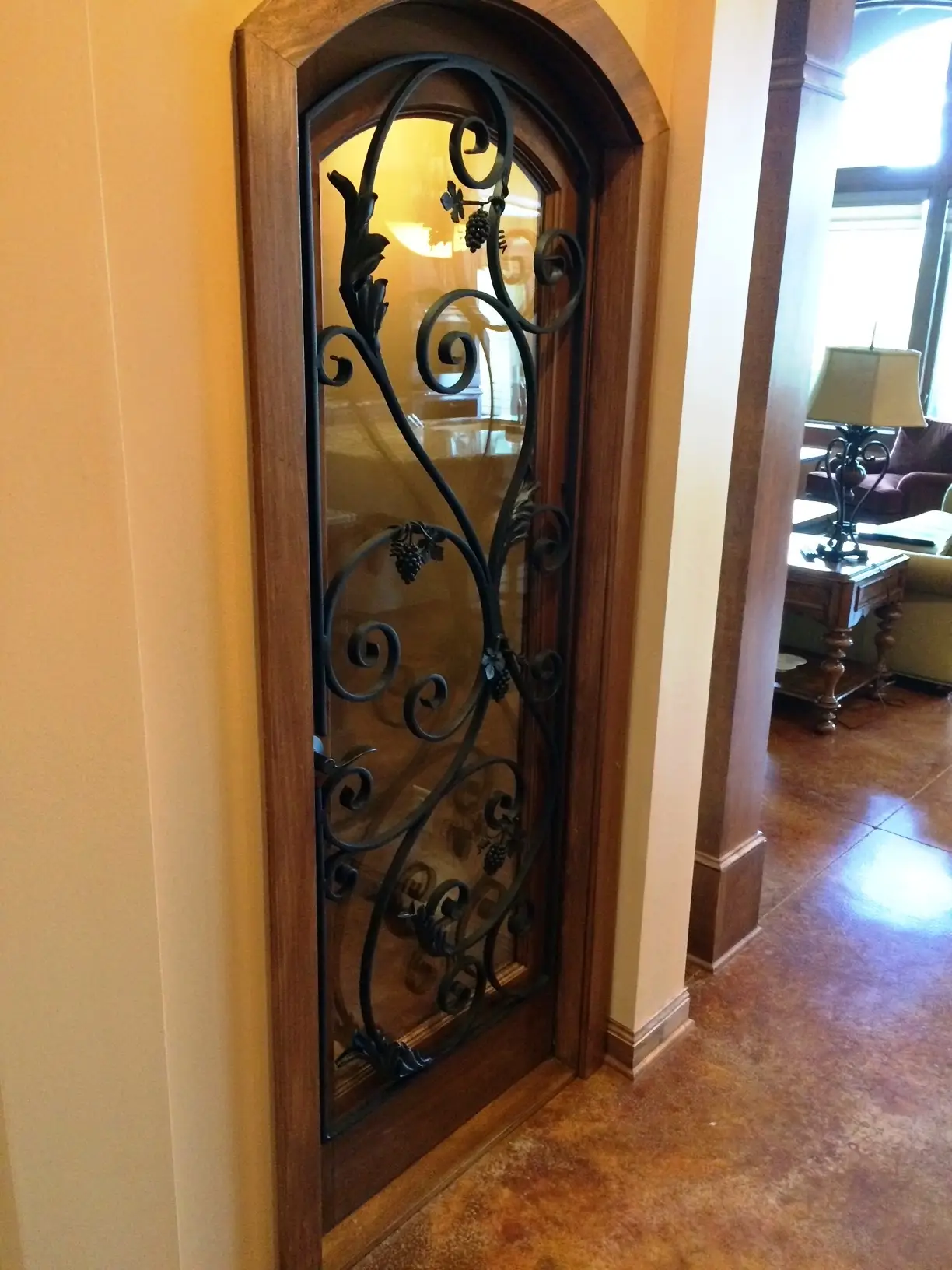
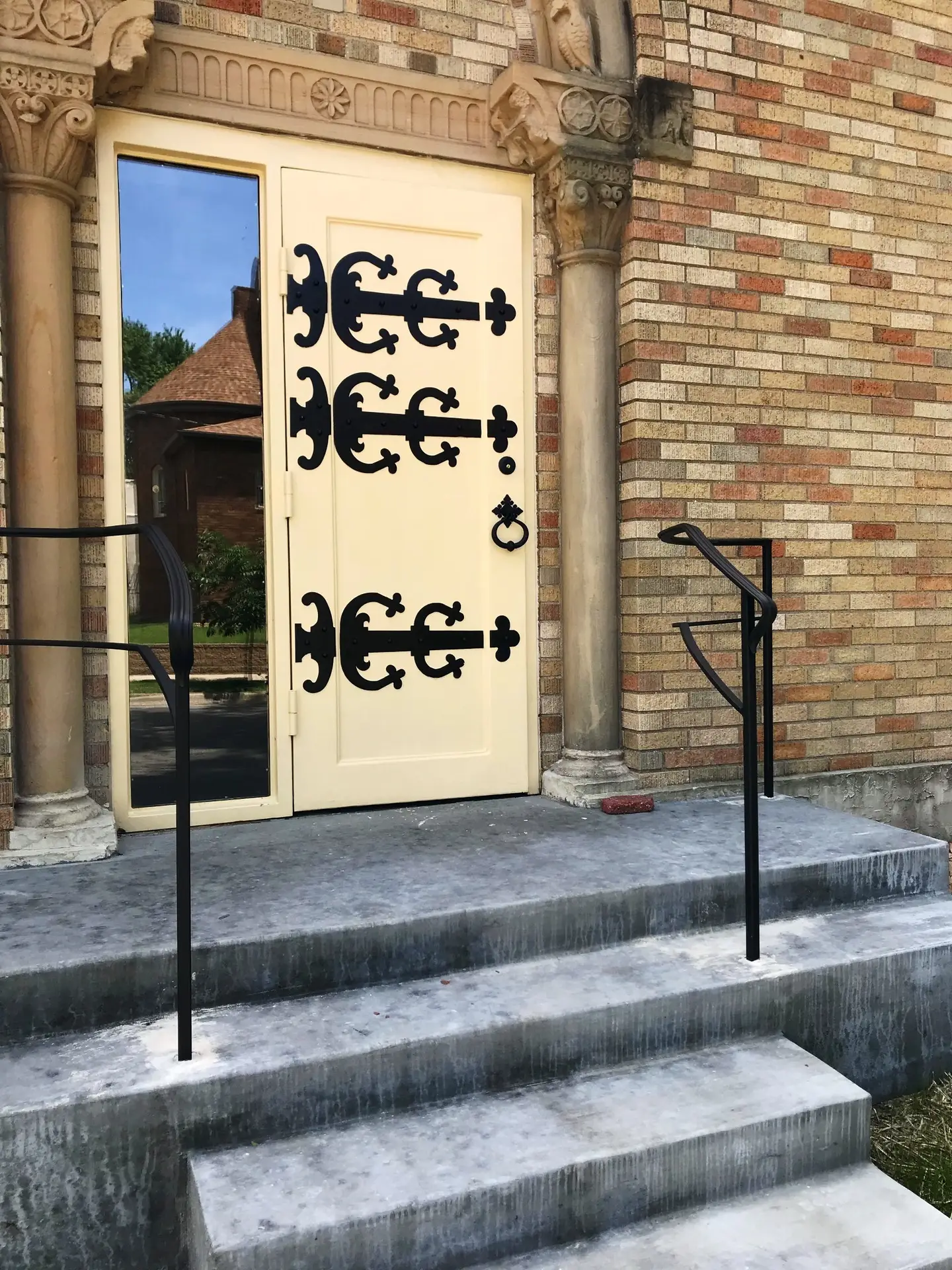
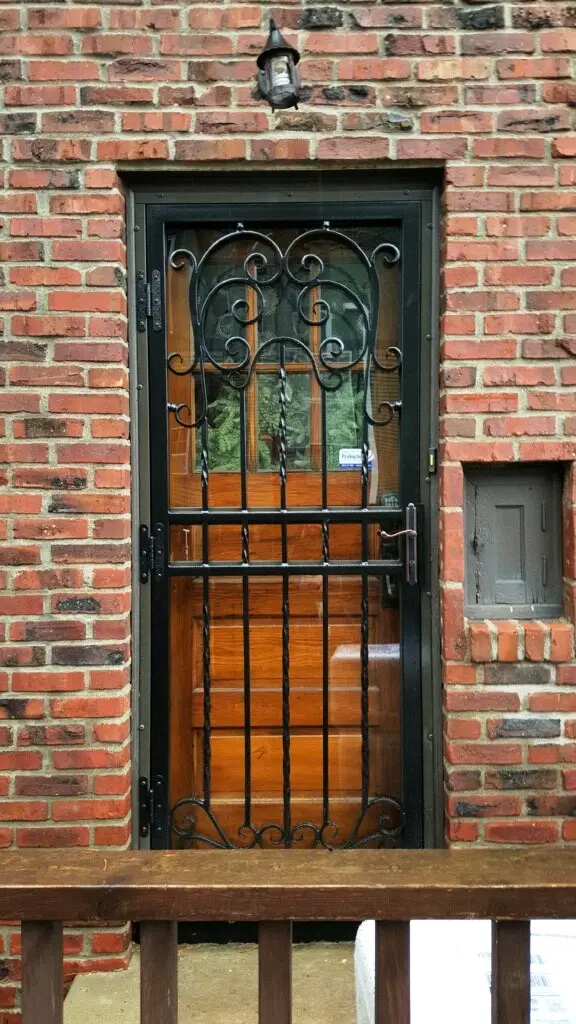
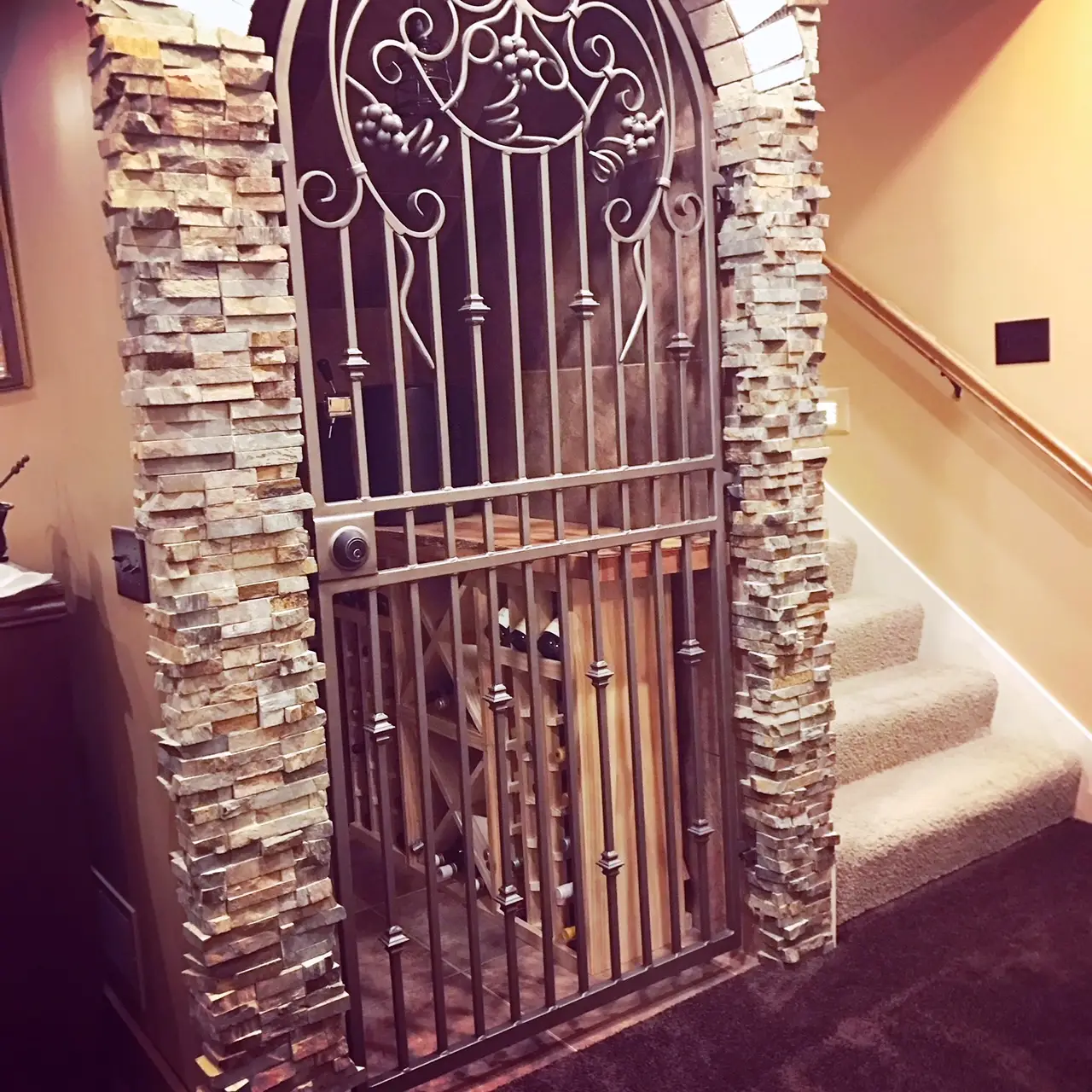
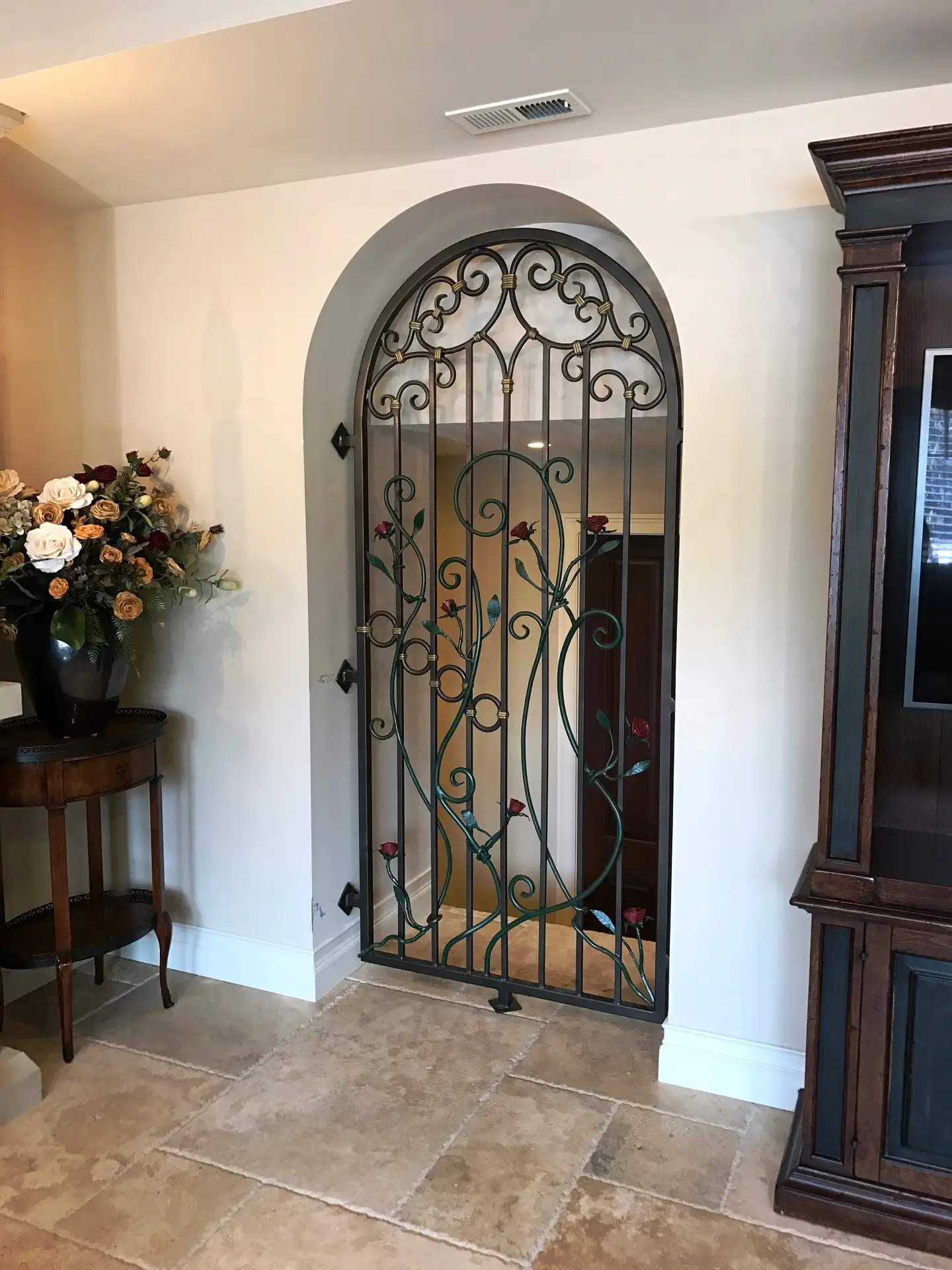
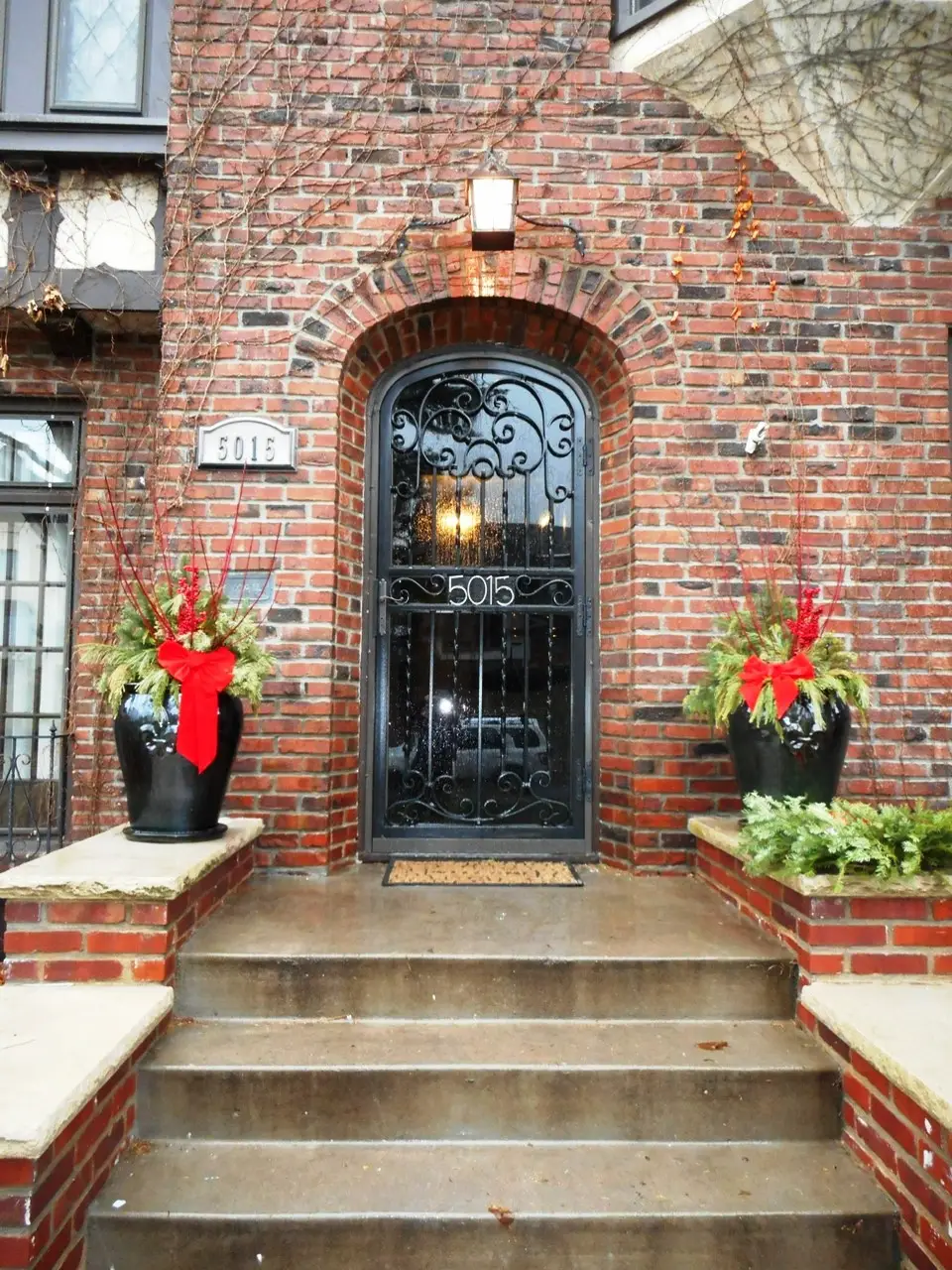
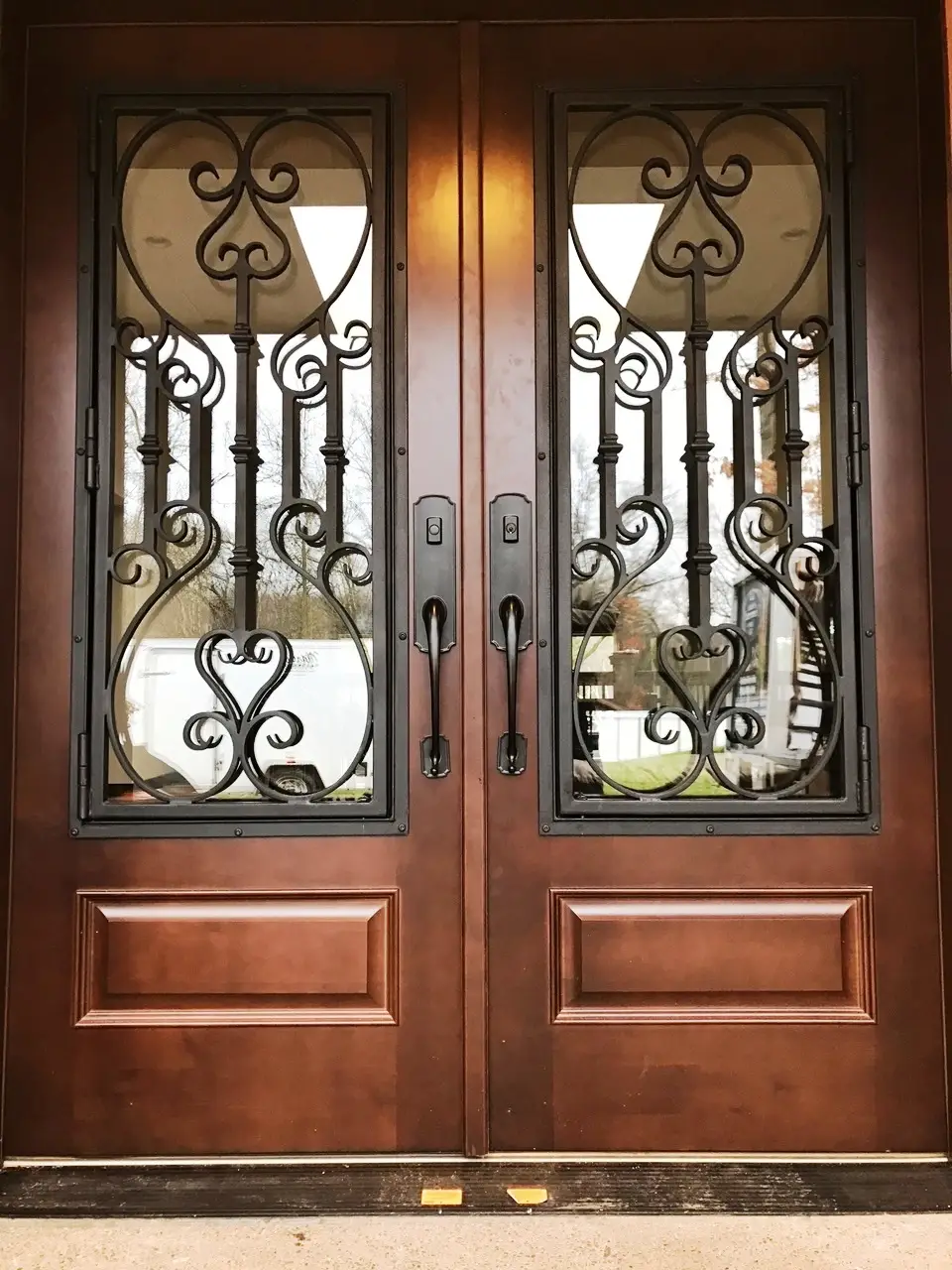
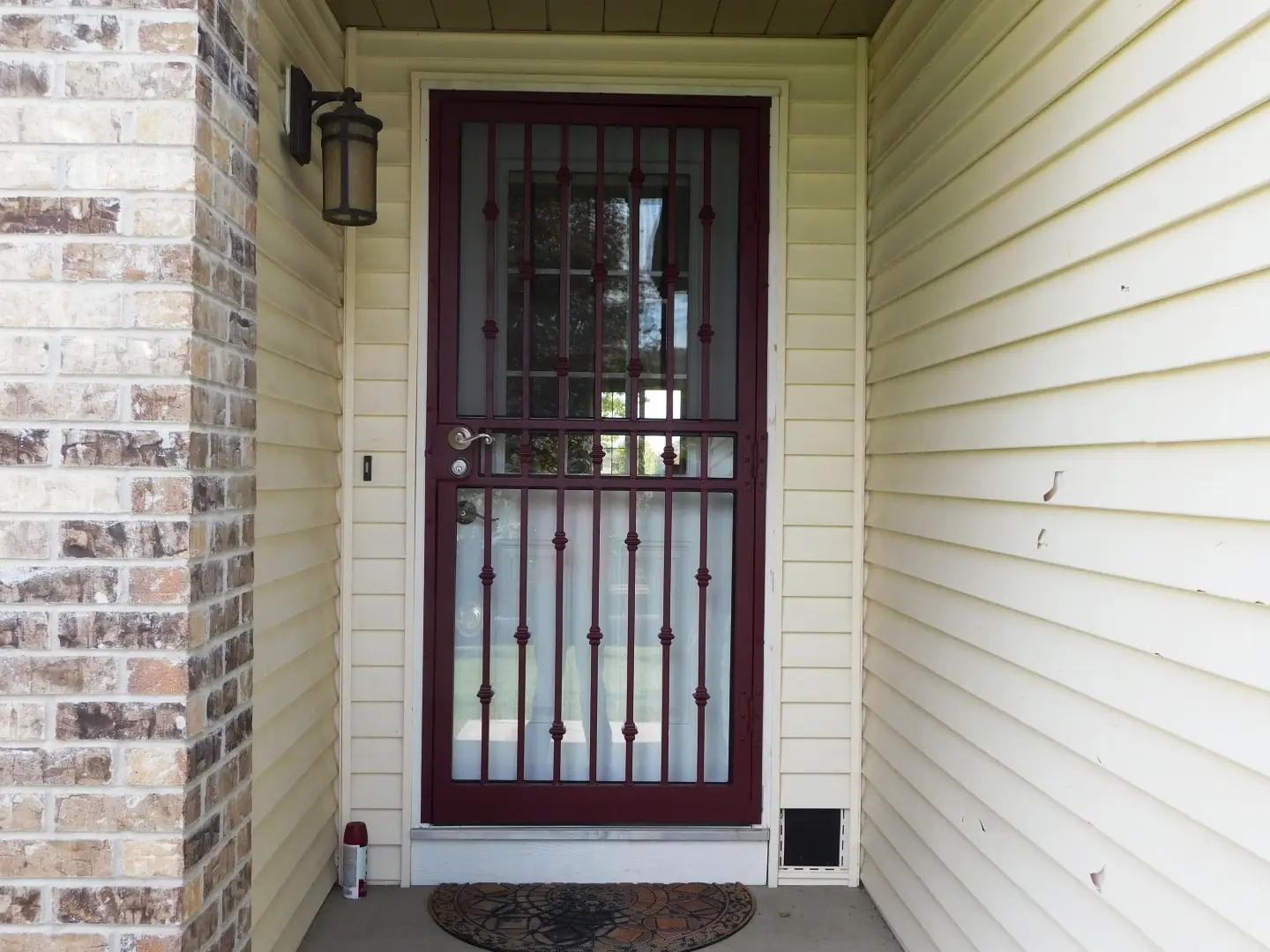
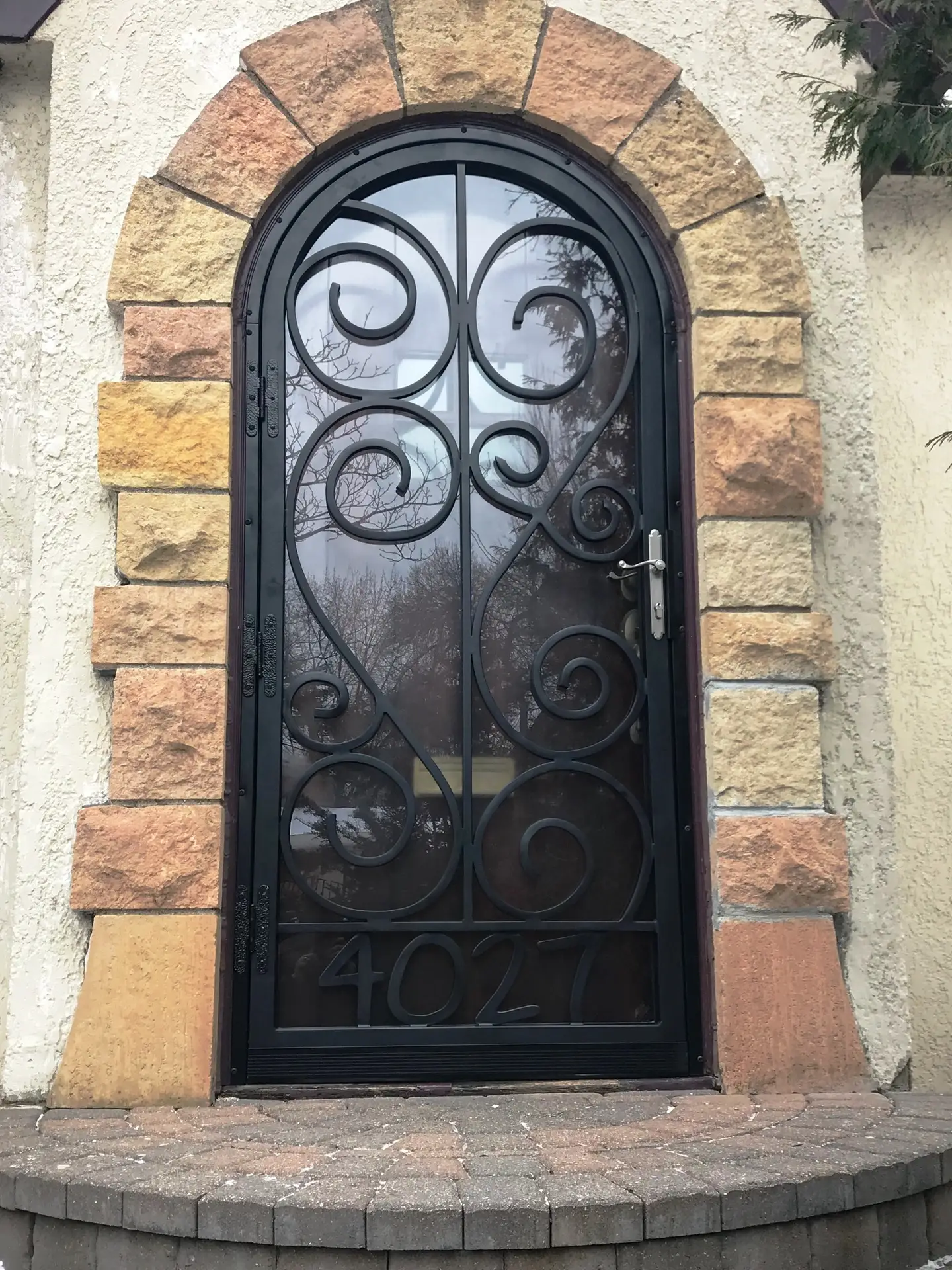
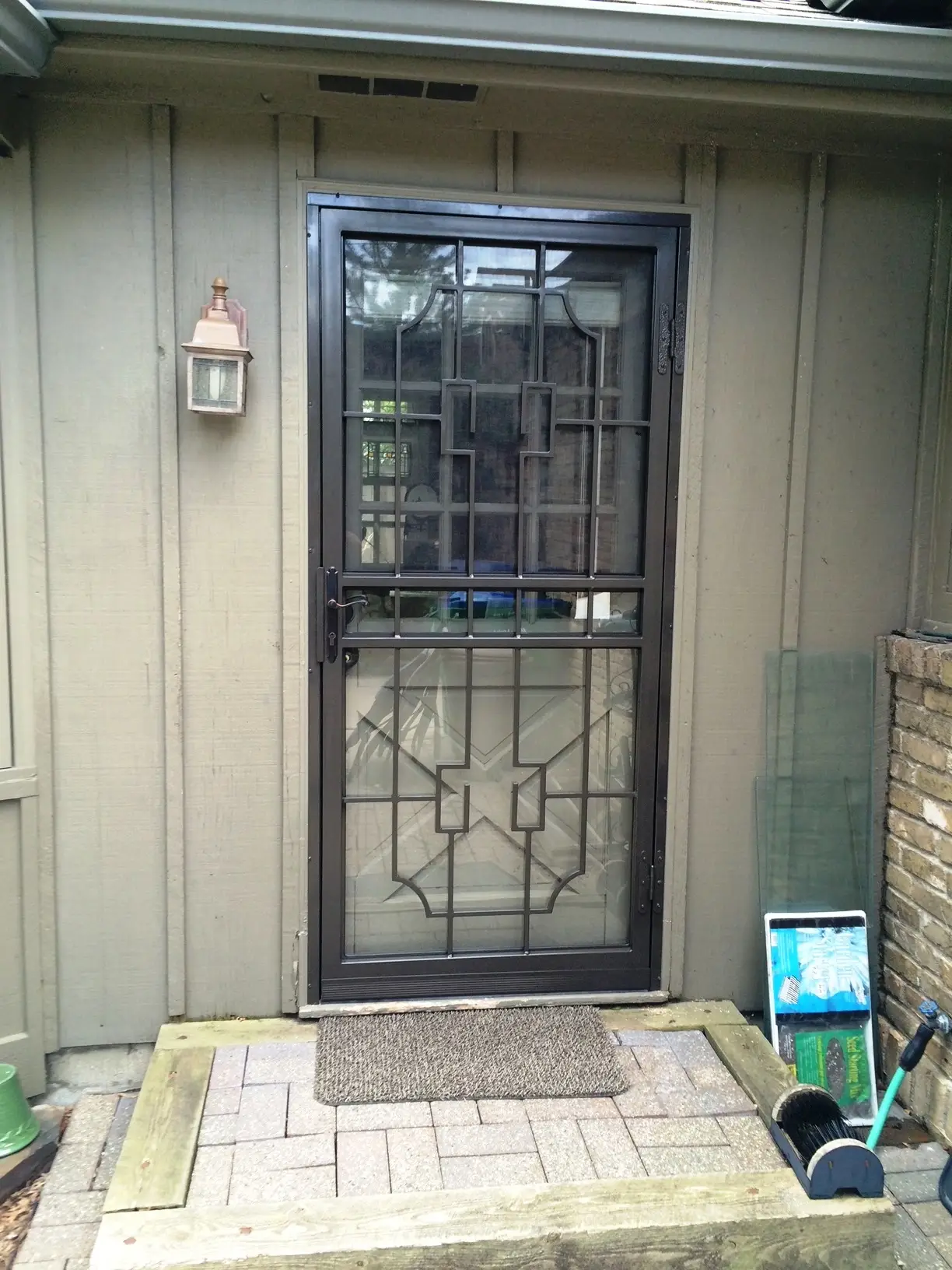
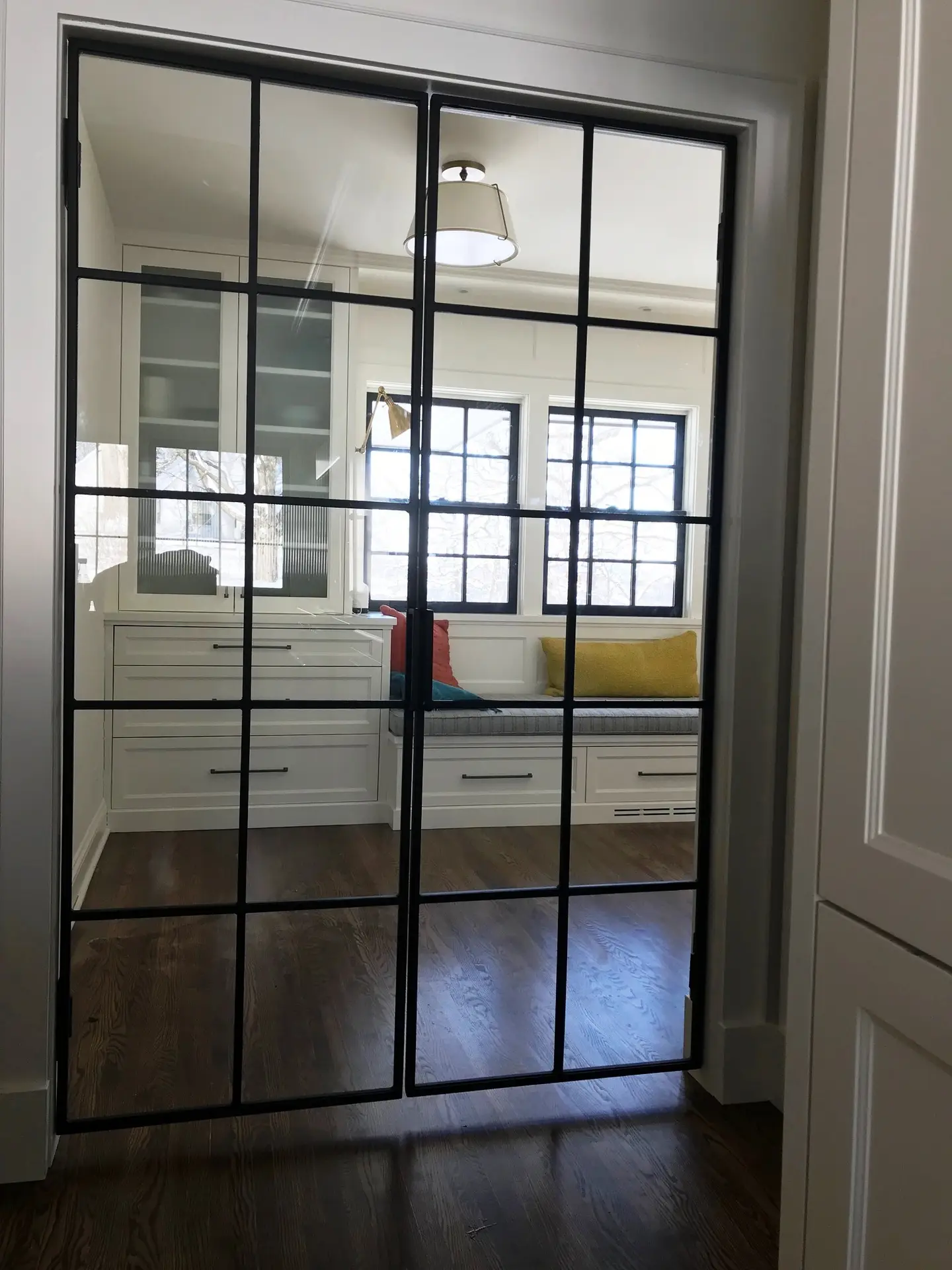
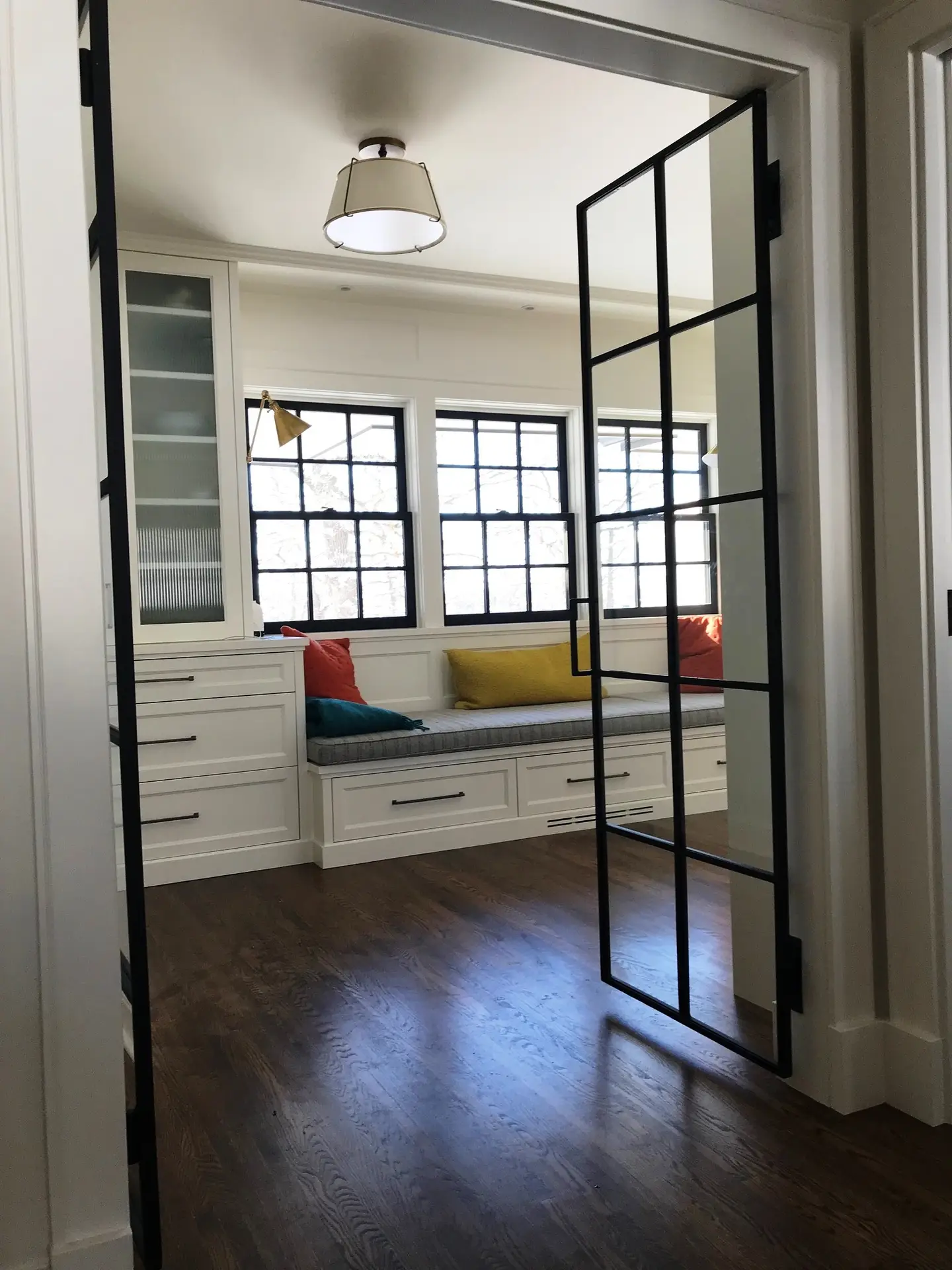
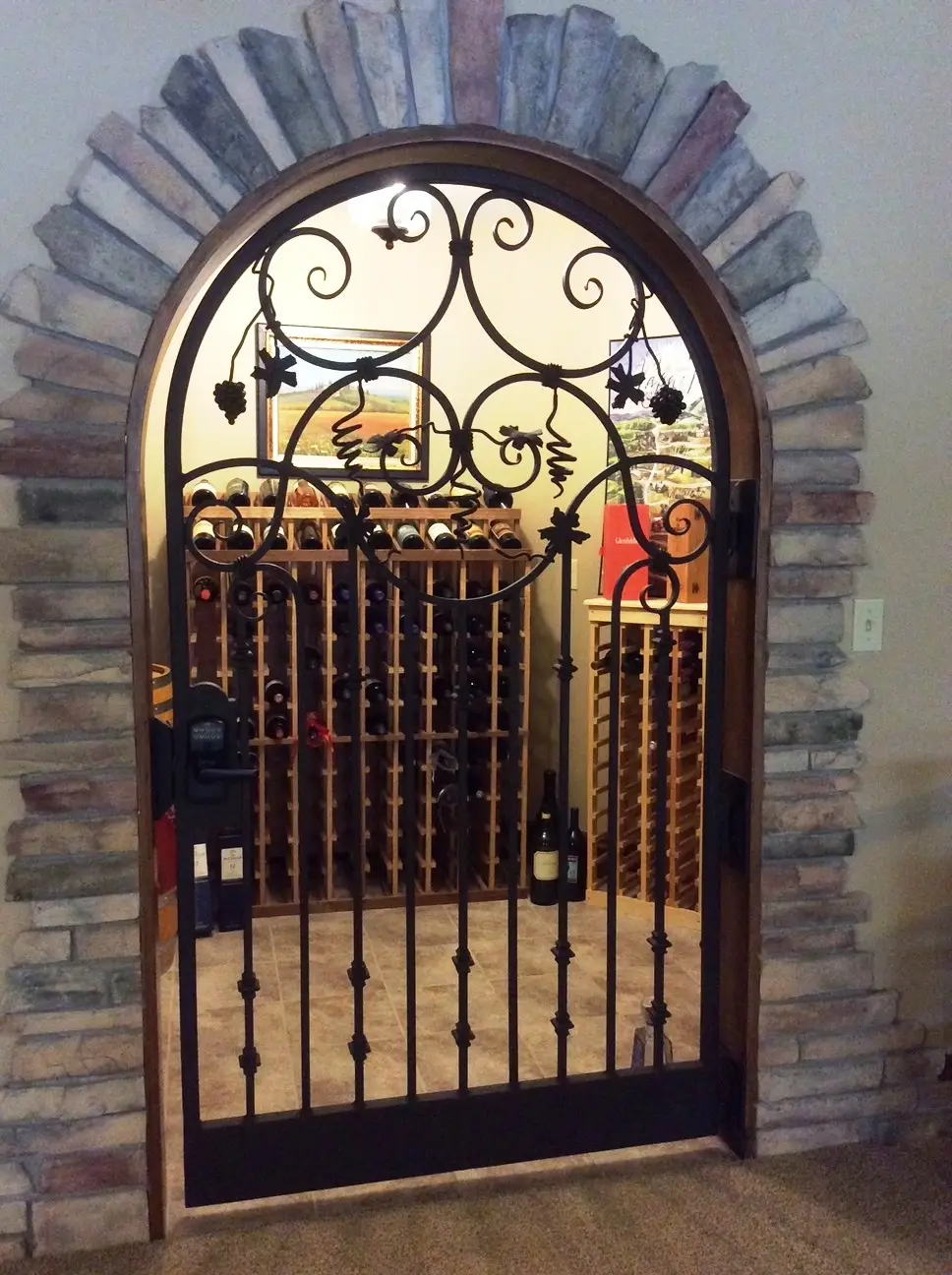
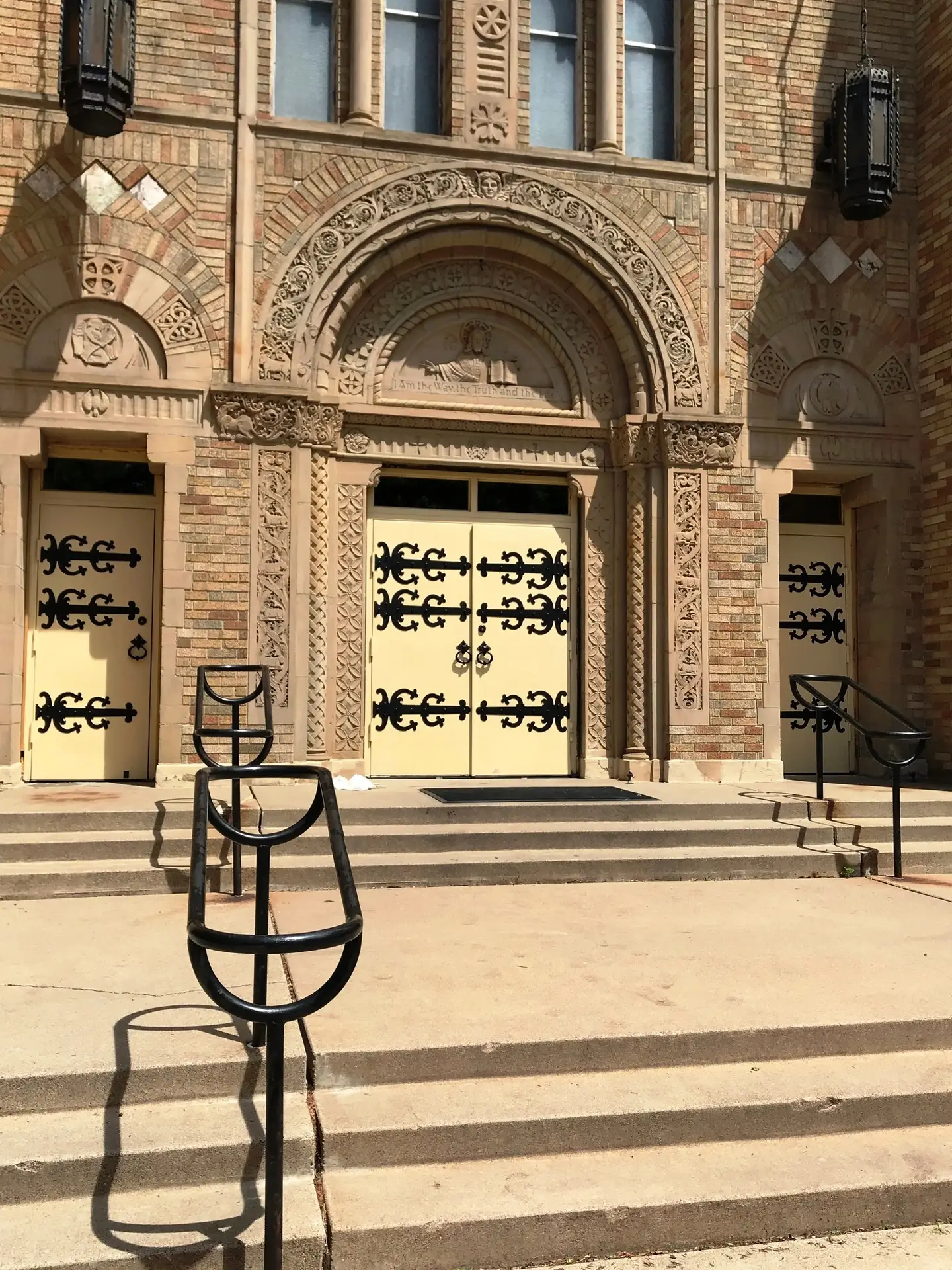
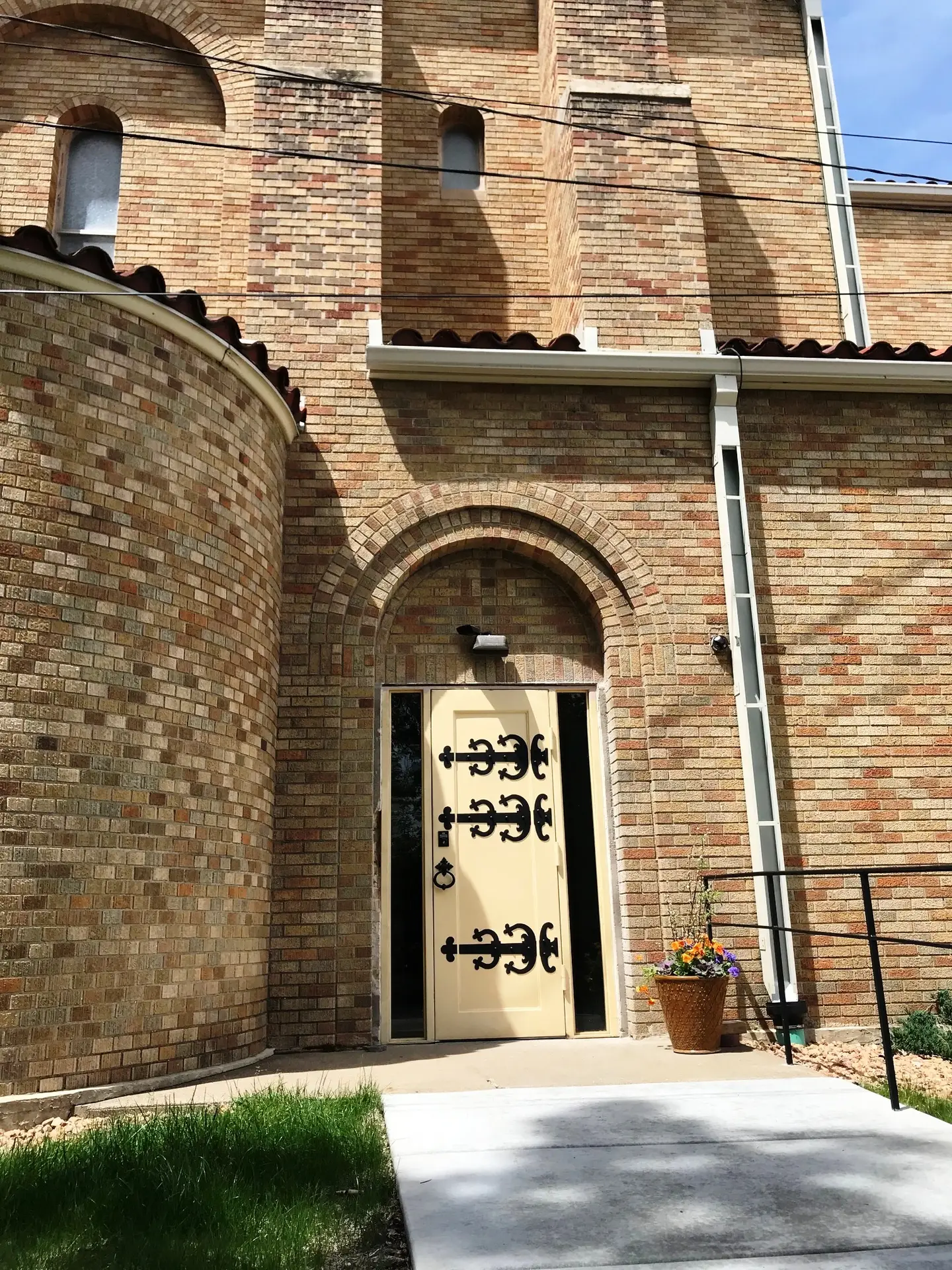
Yes. We custom forge, build, and install handcrafted wrought iron and steel security fences for residential estates, historic properties, and commercial sites throughout Minneapolis and the Twin Cities metro area.
Our iron fences undergo a heavy-duty, multi-stage coating process including zinc-rich primers and powder coating designed to prevent rust, corrosion, and peeling caused by snow, freezing moisture, and road salts.
Absolutley. We frequently work with Minneapolis homeowners and restoration teams to build historical-grade wrought iron fencing, finials, and balusters that comply with local preservation standards while offering modern durability.
Store-bought aluminum panels are lightweight, prefabricated, and cannot be tailored to sloped landscapes or heavy structural loads. Custom wrought iron fencing is solid, fully welded, rust-treated, and custom-measured to fit your exact property boundary.
You can call our shop directly at (763) 370-2279 or fill out our online contact form. We will schedule an on-site consultation to measure your property, discuss design styles, and provide a clear project quote.